
Connect with us

Health

CPR Training for All Ages: Accessible Lifesaving Skills Everyone Should Know

Published

on

CPR Training for All Ages: Accessible Lifesaving Skills Everyone Should Know

Key Takeaways

  • CPR training should be accessible and encouraged for everyone, regardless of age.
  • Introducing CPR education to children helps build a foundation of community readiness that lasts a lifetime.
  • Schools and community organizations are vital partners in spreading CPR knowledge.
  • Hands-only CPR offers an easy-to-learn, effective technique for immediate lifesaving action.
  • Empowering diverse populations, including seniors, with CPR skills supports safer and more resilient communities.

Cardiac emergencies can strike without warning, affecting anyone—from children to seniors—at any time or place. Cardiopulmonary resuscitation (CPR) is a lifesaving technique that bridges the gap between sudden cardiac arrest and the arrival of emergency medical help. Equipping yourself and those around you with CPR skills is a crucial step in improving survival rates after cardiac events. Community-focused training sessions, such as adult CPR classes Upland, CA, make it easier than ever to get certified and prepared to act in a crisis.

Far from being a skill reserved for healthcare professionals, CPR is something people of all ages can—and should—learn. Early intervention with CPR can double or triple the chances of survival for a cardiac arrest victim, underscoring the vital importance of widespread training and public education in this area. Empowering families, school groups, and seniors with this knowledge can create safer and more confident communities.

Starting Young: CPR Education for Children

Children are often quick learners and surprising advocates for health and safety. Research shows that children as young as four can begin learning to recognize emergencies, the basics of calling for help, and even simple lifesaving actions. As they mature, they can acquire more advanced CPR skills, including chest compressions, setting the stage for a lifelong readiness to assist in emergencies. Instilling these abilities early empowers youth, increasing the odds that they will act quickly and courageously when needed.

CPR Training in Schools: A Nationwide Movement

Schools play a pivotal role in building a generation ready to respond to cardiac emergencies. Over 40 states now require CPR training for high school graduation, reflecting growing awareness that a prepared public is critical to improving survival rates. Arizona, for example, mandates that all high school students receive CPR instruction—an initiative designed to send thousands of CPR-trained young adults into the wider world every year. Programs like these ensure lifesaving know-how is not only widespread but continually refreshed as new generations graduate.

Community Programs: Making CPR Training Accessible

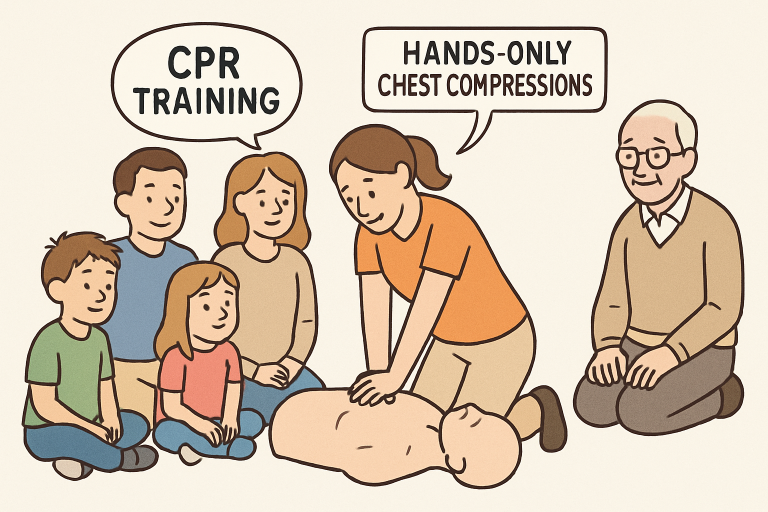
Outside of formal school settings, local organizations, health agencies, and businesses are stepping up to make CPR accessible to everybody. Many offer free or low-cost training sessions at busy public venues such as farmers’ markets, fairs, and community centers. Participants can learn hands-only CPR in as little as 15 minutes, breaking down barriers such as a lack of time or intimidation about complex skills. Easy accessibility empowers more individuals to participate, creating a culture of readiness and communal responsibility.
Overcoming Barriers: Addressing the Confidence Gap

Despite increased access, many Americans remain reluctant to perform CPR, often citing a lack of confidence or fear of “doing it wrong.” This hesitation can have dire consequences; studies highlight the importance of regular, hands-on practice and public awareness campaigns to boost confidence. The American Heart Association emphasizes that a push for more frequent training and ongoing public education can help bridge the confidence gap and get more people ready to act in a crisis.

CPR Training for Seniors: Empowering Older Adults

Older adults are among those most likely to witness or experience cardiac events, making CPR training especially important for this group. Many community centers and senior organizations offer tailored courses addressing unique concerns, such as physical limitations or chronic health conditions. By adapting CPR programs to meet the needs of seniors, communities help ensure this high-risk group is both protected and prepared to assist others when seconds count.

Hands-Only CPR: Simplifying the Process

Some people are intimidated by the idea of performing full CPR, especially mouth-to-mouth ventilation. Hands-only CPR addresses this concern by focusing exclusively on high-quality chest compressions delivered at a rate of 100-120 beats per minute until professional help arrives. This straightforward method has been demonstrated to be particularly effective during the first critical minutes of a cardiac arrest. The American Heart Association provides guidelines and instructional videos for hands-only CPR, making it simple for anyone to start learning today.

Building a Lifesaving Community

CPR is a skill where preparedness and speed make all the difference. By making training accessible to all—from young children in schools, to busy adults through community programs, to seniors with specialized courses—society can dramatically improve its response to sudden cardiac emergencies. Overcoming barriers of confidence and misinformation is critical, as is supporting programs that bring this knowledge to every segment of the population. The life you save tomorrow could be that of a loved one or a neighbor. Embrace CPR training today and join the movement toward a safer, more resilient community.


Continue Reading
Click to comment

Leave a Reply

Your email address will not be published. Required fields are marked *

Health

Physical Health: A Complete Guide to Building a Stronger, Healthier Life

Published

on

By

Physical Health: A Complete Guide to Building a Stronger, Healthier Life

Physical health plays a central role in the quality of our lives. It affects how we move, work, think, sleep, and interact with others. Good physical health is not simply about looking fit or avoiding illness—it is about creating a body that can support your goals, energy, and long-term well-being.

In today’s fast-paced world, maintaining physical health has become more important than ever. Long working hours, unhealthy eating habits, lack of exercise, and increased stress can all affect the body in negative ways. The good news is that with consistent habits and smart choices, anyone can improve their physical health.

This guide explores the meaning of physical health, why it matters, and practical ways to improve it.

What Is Physical Health?

Physical health refers to the proper functioning of the body and its systems. It includes:

  • Healthy muscles and bones
  • Strong cardiovascular health
  • Proper nutrition
  • Good sleep patterns
  • Healthy body weight
  • Freedom from chronic illness or disease
  • Ability to perform daily activities without excessive fatigue

Physical health is not achieved overnight. It develops through daily habits, lifestyle choices, and preventive care.

Why Physical Health Matters

Maintaining good physical health provides benefits in nearly every area of life.

1. Higher Energy Levels

When your body receives proper nutrition, exercise, and rest, it produces energy more efficiently. This allows you to stay productive throughout the day.

2. Better Mental Performance

The brain and body work together. Regular movement improves blood flow to the brain, supporting concentration, memory, and decision-making.

3. Stronger Immune System

A healthy body is better prepared to fight infections and recover from illness.

4. Improved Mood

Physical activity supports the release of endorphins, often called “feel-good” hormones, which may help improve mood and reduce stress.

5. Longer Life Expectancy

Healthy habits may reduce the risk of conditions such as Heart Disease, Type 2 Diabetes, and high blood pressure.

Key Components of Physical Health

1. Regular Exercise

Exercise is one of the most powerful tools for improving health. It strengthens muscles, improves heart health, and supports weight management.

Important types of exercise include:

Cardiovascular Exercise

Cardio improves heart and lung function.

Examples:

  • Walking
  • Running
  • Swimming
  • Cycling
  • Jump rope

Strength Training

Strength training builds muscle and supports bone health.

Examples:

  • Weight lifting
  • Bodyweight squats
  • Push-ups
  • Resistance bands

Flexibility and Mobility

These improve movement and reduce injury risk.

Examples:

  • Yoga
  • Stretching
  • Mobility drills

Health experts often recommend at least 150 minutes of moderate physical activity per week.

2. Balanced Nutrition

Food acts as fuel for the body. A healthy diet supports growth, recovery, and energy production.

A balanced diet should include:

Protein

Protein supports muscle repair and growth.

Examples:

  • Eggs
  • Chicken
  • Fish
  • Beans
  • Yogurt

Healthy Carbohydrates

Carbohydrates provide energy.

Examples:

  • Oats
  • Brown rice
  • Fruits
  • Vegetables

Healthy Fats

Healthy fats support brain and hormone function.

Examples:

  • Avocados
  • Nuts
  • Seeds
  • Olive oil

Vitamins and Minerals

These support immunity, bone health, and organ function.

Examples:

  • Calcium
  • Iron
  • Vitamin D
  • Vitamin C

Drinking enough water is equally important for hydration and overall body performance.

3. Quality Sleep

Sleep is essential for recovery and healing. During sleep, the body repairs tissues, restores energy, and supports brain function.

Poor sleep may lead to:

  • Fatigue
  • Reduced focus
  • Weight gain
  • Weak immunity
  • Mood changes

Adults generally benefit from 7–9 hours of sleep per night.

4. Weight Management

Maintaining a healthy weight supports heart health, mobility, and joint protection.

Healthy weight management includes:

  • Eating balanced meals
  • Staying active
  • Managing stress
  • Avoiding excessive processed foods

Extreme diets often produce short-term results, while sustainable habits create long-term success.

5. Preventive Healthcare

Regular health checkups help detect problems early.

Preventive care may include:

  • Blood pressure monitoring
  • Blood sugar testing
  • Cholesterol screening
  • Vaccinations
  • Routine medical exams

Early detection often leads to better treatment outcomes.

Common Threats to Physical Health

Modern lifestyles can create several health challenges.

Sedentary Lifestyle

Too much sitting can weaken muscles, reduce circulation, and increase health risks.

Poor Diet

Highly processed foods and excess sugar may contribute to obesity and metabolic problems.

Stress

Long-term stress can affect sleep, immunity, and overall body function.

Lack of Sleep

Sleep deprivation can impact both physical and mental performance.

Smoking and Substance Use

Smoking increases the risk of diseases such as Lung Cancer and heart-related conditions.

How to Improve Physical Health

Improving health does not require dramatic changes. Small consistent actions often create the biggest results.

Practical Tips:

  • Walk for 20–30 minutes daily
  • Drink more water
  • Eat more whole foods
  • Reduce sugary drinks
  • Get enough sleep
  • Stretch regularly
  • Take breaks from sitting
  • Schedule regular medical checkups

The Connection Between Physical and Mental Health

Physical health and mental health are deeply connected. Exercise, nutrition, and sleep all affect emotional well-being. When the body feels stronger, people often experience better confidence, lower stress, and improved focus.

Taking care of the body supports the mind—and vice versa.

Physical Health at Different Life Stages

Children

Children need active play, healthy meals, and proper sleep for growth and development.

Adults

Adults benefit from regular exercise, stress management, and preventive care.

Older Adults

Seniors benefit from strength training, balance exercises, and bone health support.

Final Thoughts

Physical health is one of the most valuable investments a person can make. It affects energy, confidence, productivity, and longevity. While achieving perfect health is unrealistic, making steady improvements can create life-changing results.

By focusing on movement, nutrition, sleep, hydration, and preventive care, anyone can build a stronger foundation for a healthier future.

Good physical health is not about perfection—it is about consistency, balance, and daily choices that support your body for years to come.

Continue Reading

Health

Aurö: Exploring the Meaning, Potential, and Modern Relevance

Published

on

By

Aurö: Exploring the Meaning, Potential, and Modern Relevance

In a world driven by innovation and evolving Aurö ideas, new concepts often emerge that capture curiosity and imagination. One such intriguing term is Aurö. While it may sound mysterious at first, Aurö can be interpreted as a symbol of creativity, transformation, and modern identity. This article explores the possible meanings, significance, and applications of Aurö in today’s fast-changing landscape.

What is Aurö?

Aurö is not a widely established term with a single fixed definition, which makes it even more fascinating. It can be viewed as a conceptual or brand-like term representing innovation, uniqueness, and forward-thinking ideas. The presence of the umlaut (ö) adds a modern, global, and slightly futuristic touch, often associated with European linguistic styles or creative branding.

In many interpretations, Aurö may symbolize:

  • A new beginning or transformation
  • A blend of tradition and modernity
  • A creative identity or digital persona
  • A brand or concept rooted in uniqueness

The Symbolism Behind Aurö

1. A Sense of Innovation

Aurö carries a tone of modernity. It feels like something connected to technology, design, or digital evolution. In a branding sense, it could easily represent a startup, app, or futuristic platform.

2. Minimalism and Elegance

The simplicity of the word gives it a clean and elegant feel. In today’s world, where minimal branding is powerful, Aurö fits perfectly as a sleek and memorable identity.

3. Mystery and Curiosity

Because Aurö doesn’t have a strict definition, it naturally sparks curiosity. This makes it highly engaging—people are drawn to understand what it means or represents.

Aurö in Modern Applications

1. Branding and Business

Aurö could be an excellent name for:

  • A tech startup
  • A fashion brand
  • A digital platform
  • A luxury product line

Its uniqueness ensures that it stands out in crowded markets, which is essential for modern branding.

2. Digital Identity

In the era of social media and personal branding, Aurö can represent an online persona—someone creative, forward-thinking, and different from the norm.

3. Art and Creativity

Artists, designers, and creators may adopt Aurö as a concept that represents innovation without limits. It could be the name of a design philosophy, art movement, or creative studio.

Why Unique Terms Like Aurö Matter

In today’s digital age, originality is more important than ever. With millions of brands and identities competing for attention, a term like Aurö offers:

  • Memorability – Easy to recall due to its uniqueness
  • Versatility – Can fit multiple industries
  • Global Appeal – The stylized spelling makes it internationally attractive

Unique names also help in SEO (Search Engine Optimization), as they face less competition in search results.

The Future Potential of Aurö

Aurö has the potential to grow into something much bigger depending on how it is used. It could evolve into:

  • A recognized global brand
  • A creative movement or philosophy
  • A digital platform or tech innovation
  • A cultural symbol of modern identity

Its flexibility allows it to adapt to different industries and purposes, making it a powerful concept for the future.

How to Use Aurö Effectively

If you’re considering using Aurö as a brand or concept, here are a few tips:

1. Define Your Meaning

Since Aurö is open to interpretation, give it a clear identity based on your goals.

2. Build a Story

Create a narrative around Aurö—people connect more with stories than just names.

3. Focus on Visual Identity

Pair the name with a strong logo, typography, and color scheme to enhance its impact.

4. Stay Consistent

Consistency in usage will help establish Aurö as a recognizable and trusted identity.

Conclusion

Aurö is more than just a word—it’s a blank canvas full of possibilities. Its modern tone, mysterious appeal, and branding potential make it an exciting concept in today’s creative and digital world. Whether used as a brand, identity, or artistic expression, Aurö represents innovation, individuality, and the power of imagination.

As the world continues to evolve, concepts like Aurö remind us that sometimes, the most powerful ideas are the ones we define ourselves.

Continue Reading

Health

Inomyalgia: A Comprehensive Guide to Understanding This Emerging Condition

Published

on

By

Inomyalgia: A Comprehensive Guide to Understanding This Emerging Condition

Introduction Inomyalgia

In recent years, the term Inomyalgia has started gaining attention in health and wellness discussions. Although not yet widely recognized in mainstream medical literature, it is increasingly used to describe a condition characterized by persistent muscle discomfort, internal body aches, and unexplained fatigue. As modern lifestyles become more sedentary and stress levels rise, more people report symptoms that align with what is being described as Inomyalgia.

This article explores what Inomyalgia is, its possible causes, symptoms, diagnosis, treatment options, and lifestyle strategies to manage it effectively.

What is Inomyalgia?

Inomyalgia can be understood as a chronic condition involving deep muscle pain and internal discomfort without a clearly identifiable cause. The term itself appears to combine:

  • “Ino” – suggesting internal or within
  • “Myalgia” – meaning muscle pain

Together, Inomyalgia refers to internal muscle pain that may not be linked to injury, strain, or physical exertion.

Unlike typical muscle soreness after exercise, this condition may persist for weeks or even months, affecting daily life and overall well-being.

Common Symptoms of Inomyalgia

People experiencing Inomyalgia often report a variety of symptoms, which may vary in intensity. Some of the most common include:

1. Persistent Muscle Pain

A dull, aching pain that can occur in different parts of the body, especially:

  • Back
  • Shoulders
  • Legs
  • Neck

2. Fatigue

Chronic tiredness that does not improve with rest is a hallmark symptom.

3. Stiffness

Muscles may feel tight or stiff, particularly in the morning or after periods of inactivity.

4. Sleep Disturbances

Difficulty falling asleep or staying asleep due to discomfort.

5. Reduced Mobility

Pain and stiffness may limit normal movement or physical activity.

6. Mental Fog

Some individuals report difficulty concentrating, often referred to as “brain fog.”

Possible Causes of Inomyalgia

Since Inomyalgia is not yet a formally classified medical condition, its causes are still being explored. However, several contributing factors are believed to play a role:

1. Chronic Stress

Long-term stress can lead to muscle tension and pain, especially when the body remains in a constant “fight or flight” state.

2. Sedentary Lifestyle

Lack of physical activity can weaken muscles and lead to stiffness and discomfort.

3. Poor Posture

Sitting for extended periods—especially with improper posture—can strain muscles and contribute to pain.

4. Nutritional Deficiencies

Deficiencies in key nutrients like:

  • Vitamin D
  • Magnesium
  • Vitamin B12

may lead to muscle discomfort and fatigue.

5. Sleep Deprivation

Poor sleep quality affects muscle recovery and can intensify pain perception.

6. Underlying Conditions

Inomyalgia may overlap with or be confused with other conditions such as:

  • Fibromyalgia
  • Chronic fatigue syndrome
  • Mild inflammatory disorders

How is Inomyalgia Diagnosed?

Currently, there is no specific test for diagnosing Inomyalgia. Healthcare providers typically use a process of elimination, which includes:

  • Reviewing medical history
  • Conducting physical examinations
  • Running blood tests to rule out infections, inflammation, or deficiencies

Doctors may also assess lifestyle factors such as stress, activity level, and sleep patterns.

Because symptoms can overlap with other conditions, proper diagnosis often requires careful evaluation.

Treatment Options for Inomyalgia

While there is no one-size-fits-all cure, several treatment approaches can help manage symptoms effectively.

1. Lifestyle Modifications

Regular Exercise

Low-impact activities such as:

  • Walking
  • Swimming
  • Yoga

can improve muscle strength and reduce stiffness.

Posture Correction

Ergonomic adjustments in workspaces can significantly reduce muscle strain.

2. Stress Management

Managing stress is crucial for reducing symptoms. Techniques include:

  • Meditation
  • Deep breathing exercises
  • Mindfulness practices

3. Nutritional Support

A balanced diet rich in essential nutrients can support muscle health. Consider including:

  • Leafy greens
  • Nuts and seeds
  • Lean proteins
  • Whole grains

Supplements may be recommended in case of deficiencies.

4. Physical Therapy

A trained physical therapist can:

  • Design personalized exercise programs
  • Improve flexibility
  • Reduce pain through targeted techniques

5. Pain Management

Over-the-counter pain relievers may provide temporary relief. In some cases, doctors may recommend:

  • Muscle relaxants
  • Anti-inflammatory medications

However, medication should always be used under medical supervision.

6. Sleep Improvement

Improving sleep hygiene can have a significant impact on symptom relief. Tips include:

  • Maintaining a consistent sleep schedule
  • Reducing screen time before bed
  • Creating a comfortable sleeping environment

Natural Remedies for Inomyalgia

Many people turn to natural remedies for relief. Some popular options include:

1. Warm Baths

Heat therapy helps relax muscles and reduce tension.

2. Massage Therapy

Regular massages can improve blood circulation and ease muscle pain.

3. Herbal Teas

Chamomile and ginger tea may help reduce inflammation and promote relaxation.

4. Essential Oils

Oils like lavender and peppermint are often used for pain relief and relaxation.

Preventing Inomyalgia

While it may not always be preventable, adopting healthy habits can reduce the risk:

  • Stay physically active
  • Maintain good posture
  • Manage stress effectively
  • Eat a balanced diet
  • Get adequate sleep

Small daily changes can make a significant difference over time.

Living with Inomyalgia

Living with chronic muscle discomfort can be challenging, but it is manageable with the right approach. Building a routine that includes:

  • Regular movement
  • Healthy eating
  • Stress control
  • Proper rest

can greatly improve quality of life.

Support from healthcare professionals, family, and community also plays a vital role in managing the condition.

Conclusion

Inomyalgia represents a growing area of concern in modern health, reflecting the impact of lifestyle, stress, and overall well-being on the human body. While it may not yet be officially recognized as a distinct medical condition, the symptoms are real and can significantly affect daily life.

Understanding the causes, recognizing the symptoms, and adopting a proactive approach to treatment can help individuals manage Inomyalgia effectively. As awareness continues to grow, further research may provide clearer definitions and more targeted treatments in the future.

FAQs

1. Is Inomyalgia the same as fibromyalgia?

No, although they share similar symptoms, fibromyalgia is a medically recognized condition, while Inomyalgia is more of an emerging or informal term.

2. Can exercise make Inomyalgia worse?

Intense exercise may worsen symptoms, but gentle, regular activity usually helps reduce pain.

3. How long does Inomyalgia last?

It varies from person to person. Some may experience temporary symptoms, while others may deal with it long-term.

4. Can diet help manage Inomyalgia?

Yes, a nutrient-rich diet can support muscle health and reduce inflammation.

5. Should I see a doctor?

If symptoms persist or interfere with daily life, it is important to consult a healthcare professional for proper evaluation.

Continue Reading

Trending

Copyright © 2017 Zox News Theme. Theme by MVP Themes, powered by WordPress.