Connect with us

Health

What Is BFST Treatment? Benefits And How It Works Explained

Published

on

What Is BFST Treatment? Benefits And How It Works Explained

In the world of medical technology, new and innovative treatments are continually emerging. One such treatment is BFST (Blood Flow Stimulation Therapy), which is designed to promote the healing of soft tissue injuries, alleviate chronic pain, and reduce inflammation. For individuals dealing with musculoskeletal conditions, sprains, strains, and other soft tissue injuries, BFST presents a promising non-invasive treatment option.

BFST uses a specific form of therapeutic device designed to increase blood flow to the area being treated. The increase in blood flow accelerates healing, reduces inflammation, and provides significant pain relief. This article explores BFST treatment in depth, examining how it works, its benefits, and the conditions it is effective in treating.

TRENDING
What Makes Texas Cuisine Special and How Private Chefs Enhance It

What Is BFST Treatment?

Blood Flow Stimulation Therapy (BFST) is a non-invasive treatment method that utilizes a device to stimulate blood flow to specific areas of the body. The therapy targets injured or damaged tissues to accelerate the healing process and reduce inflammation, thereby providing pain relief.

BFST devices typically work by using electromagnetic energy to stimulate the circulation of blood. The result is improved oxygen and nutrient delivery to the affected area, which accelerates tissue repair. Unlike traditional therapies like ice or heat, BFST can be used for longer durations and helps treat both chronic and acute injuries.

How Does BFST Treatment Work?

BFST works by increasing blood flow to an injured or painful area, which in turn aids the healing of soft tissues. The therapy involves the use of a specialized device that emits electromagnetic energy to trigger blood circulation. This energy stimulates vascular dilation, which allows for the better flow of oxygen, nutrients, and essential healing agents to the affected area.

Here’s how BFST works in detail:

Stimulating Blood Flow: BFST devices emit electromagnetic pulses or waves that stimulate the body’s blood vessels. This helps dilate the blood vessels in the injured area, increasing blood circulation. The more blood that flows to the injury, the faster healing occurs.

Enhanced Oxygenation: Blood carries oxygen, and oxygen is crucial for the repair of damaged tissues. With increased blood flow, more oxygen is delivered to the injured tissues, improving their capacity to heal.

Reduction of Inflammation: Chronic inflammation is a common issue with soft tissue injuries and conditions like tendinitis or arthritis. By promoting circulation, BFST reduces swelling and inflammation in the affected area.

Pain Relief: The improved blood flow aids in the delivery of nutrients that help the body repair itself, ultimately reducing pain and discomfort associated with injuries.

Benefits Of BFST Treatment

BFST provides several advantages for individuals suffering from soft tissue injuries or chronic pain conditions. Some of the key benefits of BFST include:

Accelerated Healing Process

The primary benefit of BFST is its ability to promote faster healing. Increased blood flow to the injured area speeds up the recovery process, reducing the time needed for healing compared to traditional treatments.

Pain Management

Chronic pain, especially from injuries or conditions like tendinitis or arthritis, can be difficult to manage. BFST provides effective relief by stimulating blood flow, which helps reduce inflammation and pain in the affected area.

Non-Invasive Treatment

BFST is a non-invasive therapy, meaning it does not require surgery or injections. This makes it a more attractive option for individuals who wish to avoid more aggressive treatments.

Reduction of Inflammation

Inflammation is a common cause of pain and discomfort in many musculoskeletal injuries. BFST helps reduce inflammation, which not only alleviates pain but also accelerates recovery.

Improved Range of Motion

By promoting healing and reducing pain and inflammation, BFST helps restore normal function and mobility to injured areas. This can improve the range of motion in joints and muscles, particularly after soft tissue injuries.

Safe and Effective for Chronic Conditions

BFST is not only useful for acute injuries but also for chronic conditions such as tendinitis, bursitis, and other repetitive stress injuries. It can help individuals manage long-term pain without relying on medications or invasive procedures.

Conditions Treated With BFST

BFST treatment has been shown to be effective in treating a wide range of musculoskeletal injuries and conditions. Some of the conditions that can benefit from BFST include:

Tendinitis

Tendinitis occurs when the tendons become inflamed due to repetitive motion or overuse. BFST helps by improving blood circulation to the tendons, reducing inflammation, and aiding in the healing process.

Sprains and Strains

Injuries like sprains (ligament injuries) and strains (muscle or tendon injuries) can be treated with BFST. By stimulating circulation, BFST accelerates healing and reduces pain.

Bursitis

Bursitis is the inflammation of the fluid-filled sacs (bursae) that cushion the joints. BFST can reduce inflammation in the bursae and alleviate the discomfort associated with this condition.

Arthritis

Arthritis, especially osteoarthritis, can cause pain, swelling, and stiffness in the joints. BFST helps by improving blood flow, reducing inflammation, and relieving pain in arthritic joints.

Chronic Muscle Pain

For individuals suffering from chronic muscle pain or fibromyalgia, BFST can provide pain relief by improving circulation to the affected muscles and tissues.

How To Use BFST Treatment?

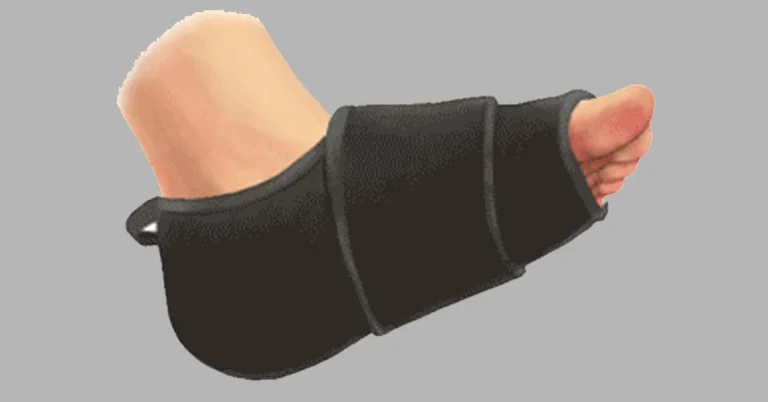
BFST is typically administered through a specialized device that is designed to be applied directly to the skin over the injured or painful area. Here’s a general guide on how to use BFST treatment:

Position the Device: The BFST device is placed on the affected area, either directly over the injury or pain point. It should be applied gently without excessive pressure.

Set the Timer: Most BFST devices come with a built-in timer. Sessions typically last between 15 to 30 minutes, depending on the severity of the injury and the manufacturer’s recommendations.

Repeat Sessions: BFST treatment is most effective when used consistently. Users may be advised to use the device several times per day, depending on their condition and the guidance of their healthcare provider.

Comfortable Sensation: During the treatment, users may feel a gentle warming sensation or a mild tingling, but it should never be painful. If discomfort arises, the treatment should be stopped immediately.

Is BFST Safe?

BFST is generally considered safe when used according to the manufacturer’s instructions and under the guidance of a healthcare professional. It is a non-invasive therapy, and there are minimal risks associated with its use. However, individuals with certain conditions, such as deep vein thrombosis (DVT) or pregnancy, should consult their doctor before using BFST.

It’s also important to note that while BFST can provide significant pain relief and accelerate healing, it should not be used as a replacement for other medical treatments, especially in severe or acute conditions. Always consult with a healthcare professional to determine the best course of treatment for your specific condition.

Conclusion

BFST (Blood Flow Stimulation Therapy) is an innovative and effective treatment for soft tissue injuries, chronic pain, and inflammation. By stimulating increased blood circulation, BFST accelerates healing, reduces pain, and improves the range of motion in affected areas. Whether you’re dealing with sprains, strains, tendinitis, or arthritis, BFST offers a safe and non-invasive solution that can provide long-term benefits.

While BFST is a great addition to pain management and rehabilitation, it should be used as part of a comprehensive treatment plan, and it’s always a good idea to consult a healthcare provider for personalized advice.

Continue Reading
Click to comment

Leave a Reply

Your email address will not be published. Required fields are marked *

Health

Aurö: Exploring the Meaning, Potential, and Modern Relevance

Published

on

By

Aurö: Exploring the Meaning, Potential, and Modern Relevance

In a world driven by innovation and evolving Aurö ideas, new concepts often emerge that capture curiosity and imagination. One such intriguing term is Aurö. While it may sound mysterious at first, Aurö can be interpreted as a symbol of creativity, transformation, and modern identity. This article explores the possible meanings, significance, and applications of Aurö in today’s fast-changing landscape.

What is Aurö?

Aurö is not a widely established term with a single fixed definition, which makes it even more fascinating. It can be viewed as a conceptual or brand-like term representing innovation, uniqueness, and forward-thinking ideas. The presence of the umlaut (ö) adds a modern, global, and slightly futuristic touch, often associated with European linguistic styles or creative branding.

In many interpretations, Aurö may symbolize:

  • A new beginning or transformation
  • A blend of tradition and modernity
  • A creative identity or digital persona
  • A brand or concept rooted in uniqueness

The Symbolism Behind Aurö

1. A Sense of Innovation

Aurö carries a tone of modernity. It feels like something connected to technology, design, or digital evolution. In a branding sense, it could easily represent a startup, app, or futuristic platform.

2. Minimalism and Elegance

The simplicity of the word gives it a clean and elegant feel. In today’s world, where minimal branding is powerful, Aurö fits perfectly as a sleek and memorable identity.

3. Mystery and Curiosity

Because Aurö doesn’t have a strict definition, it naturally sparks curiosity. This makes it highly engaging—people are drawn to understand what it means or represents.

Aurö in Modern Applications

1. Branding and Business

Aurö could be an excellent name for:

  • A tech startup
  • A fashion brand
  • A digital platform
  • A luxury product line

Its uniqueness ensures that it stands out in crowded markets, which is essential for modern branding.

2. Digital Identity

In the era of social media and personal branding, Aurö can represent an online persona—someone creative, forward-thinking, and different from the norm.

3. Art and Creativity

Artists, designers, and creators may adopt Aurö as a concept that represents innovation without limits. It could be the name of a design philosophy, art movement, or creative studio.

Why Unique Terms Like Aurö Matter

In today’s digital age, originality is more important than ever. With millions of brands and identities competing for attention, a term like Aurö offers:

  • Memorability – Easy to recall due to its uniqueness
  • Versatility – Can fit multiple industries
  • Global Appeal – The stylized spelling makes it internationally attractive

Unique names also help in SEO (Search Engine Optimization), as they face less competition in search results.

The Future Potential of Aurö

Aurö has the potential to grow into something much bigger depending on how it is used. It could evolve into:

  • A recognized global brand
  • A creative movement or philosophy
  • A digital platform or tech innovation
  • A cultural symbol of modern identity

Its flexibility allows it to adapt to different industries and purposes, making it a powerful concept for the future.

How to Use Aurö Effectively

If you’re considering using Aurö as a brand or concept, here are a few tips:

1. Define Your Meaning

Since Aurö is open to interpretation, give it a clear identity based on your goals.

2. Build a Story

Create a narrative around Aurö—people connect more with stories than just names.

3. Focus on Visual Identity

Pair the name with a strong logo, typography, and color scheme to enhance its impact.

4. Stay Consistent

Consistency in usage will help establish Aurö as a recognizable and trusted identity.

Conclusion

Aurö is more than just a word—it’s a blank canvas full of possibilities. Its modern tone, mysterious appeal, and branding potential make it an exciting concept in today’s creative and digital world. Whether used as a brand, identity, or artistic expression, Aurö represents innovation, individuality, and the power of imagination.

As the world continues to evolve, concepts like Aurö remind us that sometimes, the most powerful ideas are the ones we define ourselves.

Continue Reading

Health

Inomyalgia: A Comprehensive Guide to Understanding This Emerging Condition

Published

on

By

Inomyalgia: A Comprehensive Guide to Understanding This Emerging Condition

Introduction Inomyalgia

In recent years, the term Inomyalgia has started gaining attention in health and wellness discussions. Although not yet widely recognized in mainstream medical literature, it is increasingly used to describe a condition characterized by persistent muscle discomfort, internal body aches, and unexplained fatigue. As modern lifestyles become more sedentary and stress levels rise, more people report symptoms that align with what is being described as Inomyalgia.

This article explores what Inomyalgia is, its possible causes, symptoms, diagnosis, treatment options, and lifestyle strategies to manage it effectively.

What is Inomyalgia?

Inomyalgia can be understood as a chronic condition involving deep muscle pain and internal discomfort without a clearly identifiable cause. The term itself appears to combine:

  • “Ino” – suggesting internal or within
  • “Myalgia” – meaning muscle pain

Together, Inomyalgia refers to internal muscle pain that may not be linked to injury, strain, or physical exertion.

Unlike typical muscle soreness after exercise, this condition may persist for weeks or even months, affecting daily life and overall well-being.

Common Symptoms of Inomyalgia

People experiencing Inomyalgia often report a variety of symptoms, which may vary in intensity. Some of the most common include:

1. Persistent Muscle Pain

A dull, aching pain that can occur in different parts of the body, especially:

  • Back
  • Shoulders
  • Legs
  • Neck

2. Fatigue

Chronic tiredness that does not improve with rest is a hallmark symptom.

3. Stiffness

Muscles may feel tight or stiff, particularly in the morning or after periods of inactivity.

4. Sleep Disturbances

Difficulty falling asleep or staying asleep due to discomfort.

5. Reduced Mobility

Pain and stiffness may limit normal movement or physical activity.

6. Mental Fog

Some individuals report difficulty concentrating, often referred to as “brain fog.”

Possible Causes of Inomyalgia

Since Inomyalgia is not yet a formally classified medical condition, its causes are still being explored. However, several contributing factors are believed to play a role:

1. Chronic Stress

Long-term stress can lead to muscle tension and pain, especially when the body remains in a constant “fight or flight” state.

2. Sedentary Lifestyle

Lack of physical activity can weaken muscles and lead to stiffness and discomfort.

3. Poor Posture

Sitting for extended periods—especially with improper posture—can strain muscles and contribute to pain.

4. Nutritional Deficiencies

Deficiencies in key nutrients like:

  • Vitamin D
  • Magnesium
  • Vitamin B12

may lead to muscle discomfort and fatigue.

5. Sleep Deprivation

Poor sleep quality affects muscle recovery and can intensify pain perception.

6. Underlying Conditions

Inomyalgia may overlap with or be confused with other conditions such as:

  • Fibromyalgia
  • Chronic fatigue syndrome
  • Mild inflammatory disorders

How is Inomyalgia Diagnosed?

Currently, there is no specific test for diagnosing Inomyalgia. Healthcare providers typically use a process of elimination, which includes:

  • Reviewing medical history
  • Conducting physical examinations
  • Running blood tests to rule out infections, inflammation, or deficiencies

Doctors may also assess lifestyle factors such as stress, activity level, and sleep patterns.

Because symptoms can overlap with other conditions, proper diagnosis often requires careful evaluation.

Treatment Options for Inomyalgia

While there is no one-size-fits-all cure, several treatment approaches can help manage symptoms effectively.

1. Lifestyle Modifications

Regular Exercise

Low-impact activities such as:

  • Walking
  • Swimming
  • Yoga

can improve muscle strength and reduce stiffness.

Posture Correction

Ergonomic adjustments in workspaces can significantly reduce muscle strain.

2. Stress Management

Managing stress is crucial for reducing symptoms. Techniques include:

  • Meditation
  • Deep breathing exercises
  • Mindfulness practices

3. Nutritional Support

A balanced diet rich in essential nutrients can support muscle health. Consider including:

  • Leafy greens
  • Nuts and seeds
  • Lean proteins
  • Whole grains

Supplements may be recommended in case of deficiencies.

4. Physical Therapy

A trained physical therapist can:

  • Design personalized exercise programs
  • Improve flexibility
  • Reduce pain through targeted techniques

5. Pain Management

Over-the-counter pain relievers may provide temporary relief. In some cases, doctors may recommend:

  • Muscle relaxants
  • Anti-inflammatory medications

However, medication should always be used under medical supervision.

6. Sleep Improvement

Improving sleep hygiene can have a significant impact on symptom relief. Tips include:

  • Maintaining a consistent sleep schedule
  • Reducing screen time before bed
  • Creating a comfortable sleeping environment

Natural Remedies for Inomyalgia

Many people turn to natural remedies for relief. Some popular options include:

1. Warm Baths

Heat therapy helps relax muscles and reduce tension.

2. Massage Therapy

Regular massages can improve blood circulation and ease muscle pain.

3. Herbal Teas

Chamomile and ginger tea may help reduce inflammation and promote relaxation.

4. Essential Oils

Oils like lavender and peppermint are often used for pain relief and relaxation.

Preventing Inomyalgia

While it may not always be preventable, adopting healthy habits can reduce the risk:

  • Stay physically active
  • Maintain good posture
  • Manage stress effectively
  • Eat a balanced diet
  • Get adequate sleep

Small daily changes can make a significant difference over time.

Living with Inomyalgia

Living with chronic muscle discomfort can be challenging, but it is manageable with the right approach. Building a routine that includes:

  • Regular movement
  • Healthy eating
  • Stress control
  • Proper rest

can greatly improve quality of life.

Support from healthcare professionals, family, and community also plays a vital role in managing the condition.

Conclusion

Inomyalgia represents a growing area of concern in modern health, reflecting the impact of lifestyle, stress, and overall well-being on the human body. While it may not yet be officially recognized as a distinct medical condition, the symptoms are real and can significantly affect daily life.

Understanding the causes, recognizing the symptoms, and adopting a proactive approach to treatment can help individuals manage Inomyalgia effectively. As awareness continues to grow, further research may provide clearer definitions and more targeted treatments in the future.

FAQs

1. Is Inomyalgia the same as fibromyalgia?

No, although they share similar symptoms, fibromyalgia is a medically recognized condition, while Inomyalgia is more of an emerging or informal term.

2. Can exercise make Inomyalgia worse?

Intense exercise may worsen symptoms, but gentle, regular activity usually helps reduce pain.

3. How long does Inomyalgia last?

It varies from person to person. Some may experience temporary symptoms, while others may deal with it long-term.

4. Can diet help manage Inomyalgia?

Yes, a nutrient-rich diet can support muscle health and reduce inflammation.

5. Should I see a doctor?

If symptoms persist or interfere with daily life, it is important to consult a healthcare professional for proper evaluation.

Continue Reading

Health

Γουακαμε: Easy Recipes and Smart Tips for Everyday Cooking

Published

on

By

Γουακαμε: Easy Recipes and Smart Tips for Everyday Cooking

If you’re looking to add a touch of the sea to your meals while boosting your health, Γουακαμε (wakame) is a versatile ingredient you need in your kitchen. This edible seaweed, widely used in Japanese, Korean, and Mediterranean cuisine, is prized not only for its unique umami flavor but also for its impressive nutritional profile. Rich in minerals like iodine, calcium, and magnesium, as well as vitamins A, C, E, and K, wakame makes everyday meals both delicious and nourishing.

What is Γουακαμε?

Wakame is a dark green, leafy seaweed that is typically sold dried or frozen. When rehydrated, it expands significantly and takes on a silky texture, making it perfect for soups, salads, and side dishes. Its slightly sweet, oceanic taste complements a wide range of ingredients, from fresh vegetables to seafood and tofu.

Simple Tips for Cooking with Wakame

  1. Rehydrate Properly: If using dried wakame, soak it in water for 5–10 minutes until it softens. Frozen wakame can usually be thawed in cold water or added directly to hot soups.
  2. Cut to Size: Rehydrated wakame can be large and slippery. Chop it into bite-sized pieces for easy eating and even distribution in dishes.
  3. Enhance Flavors: Wakame pairs beautifully with sesame oil, soy sauce, miso, ginger, and garlic. Don’t be afraid to experiment with these flavors to elevate simple dishes.
  4. Use Sparingly: A little wakame goes a long way. Its umami richness means a small amount can flavor soups and salads effectively.
  5. Store Wisely: Keep dried wakame in an airtight container in a cool, dry place. Once rehydrated, store in the fridge and use within 2–3 days.

Easy Wakame Recipes

1. Wakame and Cucumber Salad

Ingredients:

  • 2 tbsp dried wakame
  • 1 small cucumber, thinly sliced
  • 1 tbsp rice vinegar
  • 1 tsp soy sauce
  • 1 tsp sesame oil
  • 1 tsp sesame seeds

Instructions:

  1. Rehydrate wakame in cold water for 5 minutes, then drain.
  2. Mix wakame with cucumber slices in a bowl.
  3. Drizzle with rice vinegar, soy sauce, and sesame oil.
  4. Sprinkle with sesame seeds and serve chilled.

2. Miso Soup with Wakame

Ingredients:

  • 4 cups dashi or vegetable broth
  • 2 tbsp miso paste
  • 1/4 cup tofu, cubed
  • 2 tbsp wakame, rehydrated
  • 2 green onions, sliced

Instructions:

  1. Heat broth in a pot but do not boil.
  2. Dissolve miso paste in a small amount of broth and return to pot.
  3. Add tofu and wakame. Simmer for 2–3 minutes.
  4. Garnish with green onions and serve hot.

3. Stir-Fried Wakame with Garlic

Ingredients:

  • 3 tbsp wakame, rehydrated
  • 1 clove garlic, minced
  • 1 tsp sesame oil
  • 1 tsp soy sauce

Instructions:

  1. Heat sesame oil in a pan and sauté garlic until fragrant.
  2. Add wakame and stir-fry for 2 minutes.
  3. Drizzle with soy sauce, toss, and serve as a side dish.

Why Include Wakame in Your Diet?

Besides its taste and texture, wakame offers numerous health benefits:

  • Supports thyroid function due to its high iodine content.
  • Promotes bone health with calcium and magnesium.
  • Aids digestion thanks to soluble fiber.
  • Low in calories while providing essential vitamins and minerals.

Conclusion

Γουακαμε is more than just a trendy ingredient—it’s a nutritious, versatile addition to everyday cooking. With its quick preparation, subtle flavor, and numerous health benefits, wakame can transform simple meals into something special. Whether tossed into a salad, stirred into soup, or lightly sautéed, this seaweed deserves a permanent spot in your kitchen pantry.

Continue Reading

Trending

Copyright © 2017 Zox News Theme. Theme by MVP Themes, powered by WordPress.