Connect with us

Health

Lactobacillus Bacteria: Benefits, Uses, and FAQs

Published

on

Lactobacillus Bacteria: Benefits, Uses, and FAQs

Lactobacillus is a genus of Gram-positive, rod-shaped bacteria that belong to the lactic acid bacteria (LAB) group. These bacteria are known for their ability to ferment sugars into lactic acid, which plays a crucial role in food preservation and gut health. Lactobacillus species are widely used in probiotics, dairy products, and fermented foods due to their health-promoting properties.

Health Benefits of Lactobacillus Bacteria

  1. Improves Gut Health
    • Lactobacillus helps maintain a healthy balance of gut microbiota, preventing harmful bacteria from thriving.
    • It aids in digestion and may alleviate symptoms of irritable bowel syndrome (IBS), diarrhea, and constipation.
  2. Boosts Immune System
    • These bacteria enhance immune responses by stimulating antibody production and improving gut barrier function.
  3. Prevents and Treats Infections
    • Lactobacillus can help prevent urinary tract infections (UTIs) and vaginal infections (like bacterial vaginosis and yeast infections).
  4. Supports Mental Health
    • Emerging research suggests a link between gut health and mental well-being, with Lactobacillus potentially reducing anxiety and depression symptoms.
  5. Lowers Cholesterol
    • Some strains may help reduce LDL (“bad”) cholesterol levels, promoting heart health.
  6. Enhances Nutrient Absorption
    • Lactobacillus aids in the breakdown and absorption of nutrients, including vitamins and minerals.

Common Sources of Lactobacillus

  • Fermented Foods: Yogurt, kefir, sauerkraut, kimchi, miso, tempeh, and pickles.
  • Probiotic Supplements: Available in capsules, powders, and liquids.
  • Dairy Products: Certain cheeses and cultured milk products contain live Lactobacillus strains.

Potential Side Effects

While generally safe, excessive consumption of Lactobacillus may cause:

  • Bloating
  • Gas
  • Mild digestive discomfort
  • Allergic reactions (rare)

People with weakened immune systems should consult a doctor before taking probiotic supplements.

FAQs About Lactobacillus Bacteria

1. What is Lactobacillus?

Lactobacillus is a type of beneficial bacteria found in the gut, mouth, and vagina, as well as in fermented foods and probiotic supplements.

2. How does Lactobacillus benefit gut health?

It helps maintain a balanced gut microbiome, supports digestion, and prevents harmful bacteria from overgrowing.

3. Can Lactobacillus help with diarrhea?

Yes, certain strains (like Lactobacillus rhamnosus GG) are effective in reducing antibiotic-associated diarrhea and infectious diarrhea.

4. Is Lactobacillus safe for everyone?

Most people tolerate it well, but those with compromised immune systems or severe illnesses should consult a healthcare provider before use.

5. How can I get more Lactobacillus in my diet?

Consume probiotic-rich foods like yogurt, kefir, sauerkraut, and kimchi, or take high-quality probiotic supplements.

6. Can Lactobacillus help with vaginal health?

Yes, strains like Lactobacillus crispatus and Lactobacillus reuteri help maintain vaginal pH balance and prevent infections.

7. Are there different strains of Lactobacillus?

Yes, different strains (e.g., L. acidophilus, L. casei, L. plantarum) have unique benefits for gut, immune, and vaginal health.

8. Can Lactobacillus improve mental health?

Early studies suggest a gut-brain connection, where certain Lactobacillus strains may help reduce anxiety and depression symptoms.

9. How long does it take for Lactobacillus to work?

Effects vary, but some people notice improvements in digestion within a few days, while immune and mental health benefits may take weeks.

10. Can I take Lactobacillus with antibiotics?

Yes, taking probiotics during and after antibiotic treatment can help restore gut bacteria and prevent diarrhea.

Conclusion

Lactobacillus bacteria play a vital role in maintaining digestive, immune, and overall health. Including probiotic-rich foods or supplements in your diet can help harness these benefits. Always choose high-quality sources and consult a healthcare professional if you have any concerns.

Continue Reading
Click to comment

Leave a Reply

Your email address will not be published. Required fields are marked *

Health

Philosophy and Training Approach: Train Your Body vs. Train Your Mind

Published

on

By

Philosophy and Training Approach: Train Your Body vs. Train Your Mind

The most profound difference between these two machines lies in their core training philosophy.

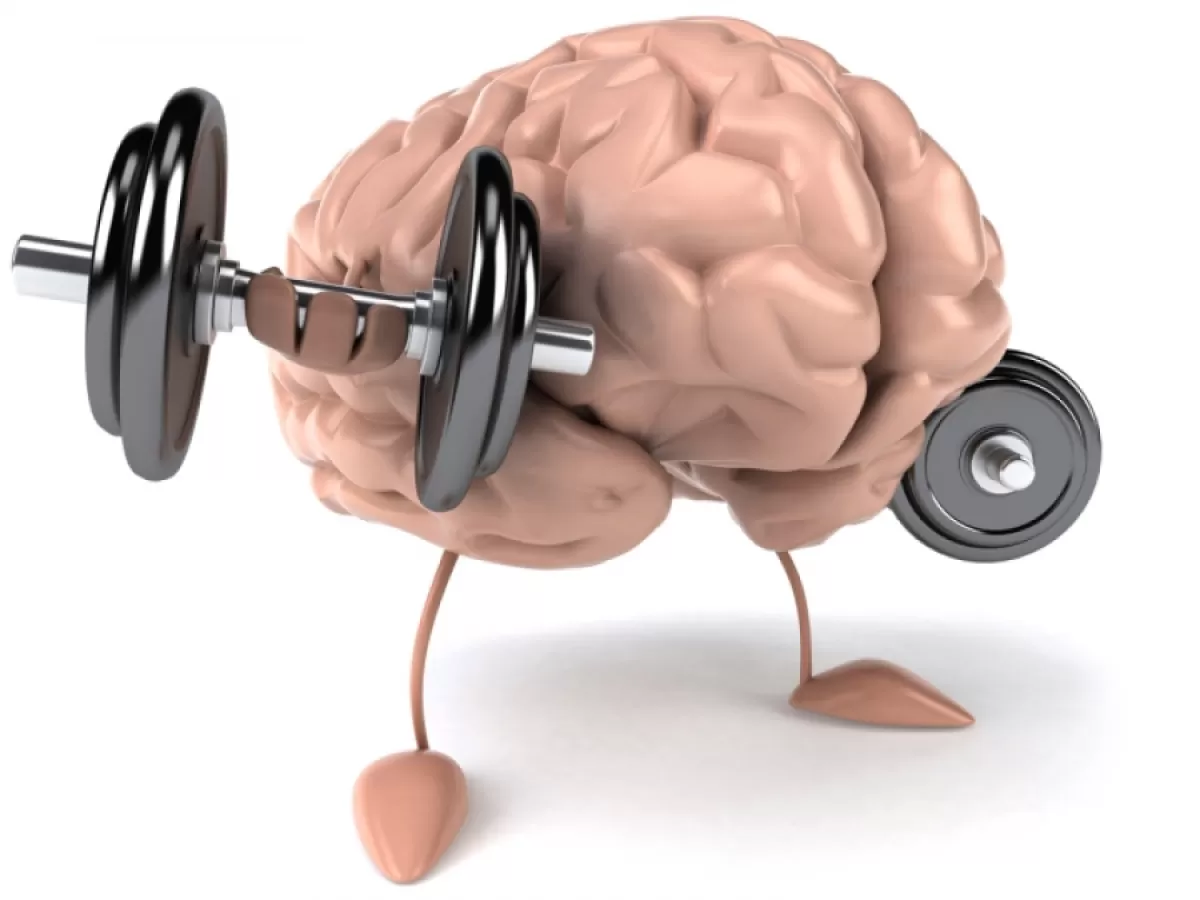
Shoot-A-Way has evolved its technology to focus on what it calls “cognitive training.” The company’s flagship innovation, Decision Mode (available on The Gun 12K), is designed to bridge the gap between practice and a real game . Instead of just catching and shooting, players must react to visual cues on the machine’s screen—like flashing colors or symbols—that dictate their next move (e.g., shot, drive, or pass). This approach forces the brain to process information and make a decision under physical stress, mimicking the cognitive load of an actual game. A study conducted on a Detroit Mercy University player using Decision Mode showed significant increases in brain activity related to decision-making, ultimately leading to a state of “flow” where reactions became instinctive . The goal is not just a better shooter, but a smarter, more instinctual player .

Dr. Dish, on the other hand, centers its philosophy on mastering the mechanics of shooting through high-quality, engaging repetition. Their machines, like the CT+, are loaded with over 250 drills designed by professional trainers and D1 coaches . The focus is on volume and precision, with features like “Knockdown Mode” and “ME VS. ME” adding a competitive, gamified layer to training . This approach is excellent for building muscle memory, grooving your shot from specific spots on the floor, and making repetitive practice fun and challenging. While they also offer stat tracking, their emphasis is less on simulating complex, real-time decisions and more on perfecting the shot itself under varying degrees of simulated pressure.

Head-to-Head Feature Comparison: The Details

When you place the flagship models—The Gun 12K and the Dr. Dish CT+—side-by-side, the practical differences in their design philosophies become clear.

Passing Accuracy and Customization
One of the most critical functions of a shooting machine is its ability to deliver a consistent, game-like pass. Shoot-A-Way has made this a major battleground. Their new Smart Pass™ technology on The Gun 14X is a game-changer, as it automatically adjusts the pass trajectory based on a player’s height and their spot on the floor . Even on the 12K model, Shoot-A-Way boasts 4x the throw distance control per spot, allowing for micro-adjustments to put the ball perfectly in a player’s shooting pocket . They are sharply critical of Dr. Dish’s system, which offers only five preset passing distances . From Shoot-A-Way’s perspective, these presets force players, especially those of non-average heights, to adapt to the machine rather than the machine adapting to the player .

Multi-Player Functionality
For team practices, the ability to track multiple players is key. The Gun 12K can track up to eight players simultaneously and displays a live leaderboard and next-pass indicator on its front screen, keeping everyone engaged and aware of the drill’s flow . Dr. Dish’s CT+ tracks up to five players and while it offers a “Multiplayer Mode” that coaches find engaging, it lacks the same level of live, on-screen visual cues for the next shooter .

Screen and User Interface
This is a clash of design aesthetics. Dr. Dish CT+ features a massive, beautiful 21.5″ touchscreen integrated into the front of the machine, providing ample space for viewing stats and editing drills directly on the unit . The Gun 12K takes a dual-screen approach, with a 10″ side touchscreen for programming and a separate 19″ front display that acts as a live scoreboard, showing real-time heatmaps, makes in a row, and Decision Mode prompts . This setup keeps the motivational and feedback elements front and center, while the controls are to the side.

Netting and Visibility
A surprisingly important detail is the netting. Shoot-A-Way uses clear netting, which allows players to maintain a clear, unobstructed view of the rim as they prepare to shoot . This is crucial for developing proper targeting and focus. They argue that the black netting used on Dr. Dish machines can obstruct the view, negatively impacting a player’s visual focus and shot feedback . For post-player development, however, Dr. Dish holds a clear advantage with its patented swivel net system, which allows the machine to be positioned away from the basket to simulate post-entry passes and interior moves—a feature Shoot-A-Way machines lack .

Cost, Value, and Durability

Both companies position their machines as long-term investments. However, the nature of that investment differs.

Shoot-A-Way emphasizes its American engineering and manufacturing as a key component of its value proposition . They argue that their machines are “built like a tank,” designed to withstand the rigors of high-volume use in everything from high school gyms to NBA facilities . This durability, backed by an industry-leading 5-year warranty on parts, is presented as a long-term cost saver . The fact that all 30 NBA teams and 99% of D1 colleges use their products is a powerful testament to their durability and performance at the highest levels .

Dr. Dish counters by focusing on the value of its software and features. They highlight that their advanced stat tracking, heat maps, and training games like “Knockdown” are included with the machine, with no membership fees . They position themselves as the more user-friendly and engaging option, which can translate to players being more motivated to use the machine consistently. The price point can vary significantly by model, with Dr. Dish offering more entry-level options like the portable iC3 that attaches to a standard hoop, making the brand accessible for home use . However, Shoot-A-Way points to the manufacturing origin of Dr. Dish’s high-end machines (China) as a potential concern for those prioritizing American-made craftsmanship and long-term reliability .

Frequently Asked Questions (FAQs)

1. Which machine is better for a high school team?
This depends on your program’s goals. Shoot-A-Way is often praised for its rugged durability and is trusted by thousands of high schools, making it a safe bet for long-term wear and tear . Its Decision Mode is excellent for developing players’ IQ. Dr. Dish is also a strong contender, with its engaging multiplayer modes and large touchscreen that can make practices more fun and competitive . Your choice may come down to whether you prioritize cognitive game simulation or a highly interactive, drill-rich experience.

2. Can these machines be used for drills other than just shooting?
Yes, but to different extents. A significant advantage for the Dr. Dish CT+ is its patented swivel net, which allows it to be used for post moves and finishing drills away from the basket Shoot-A-Way machines are primarily designed for perimeter shooting but excel at integrating ball-handling and decision-making into those shooting drills through features like Decision Mode .

3. Is the membership fee structure different between the two?
Yes. Dr. Dish prominently markets that its training apps, stat tracking, and drill libraries come with no membership fees . While Shoot-A-Way offers a wealth of on-demand workouts and features, some of their advanced cloud-based analytics and dashboard features may be part of a software ecosystem, though the base functionality of the machine is fully operational without ongoing fees .

4. I’m a player looking to train at home. Which one should I choose?
Both companies offer models for this market. Shoot-A-Way has “The Gun Home Edition,” which is lighter and more affordable than its pro models while still being made in the USA Dr. Dish offers the very affordable and portable iC3, which attaches directly to your existing hoop, making it a great entry-level option . Your decision will hinge on your budget and whether you want a freestanding professional-grade machine or a portable attachment.

5. Which machine has better technology and analytics?
Both are highly advanced, but they focus on different things. Shoot-A-Way’s Decision Mode and Smart Pass represent a leap forward in cognitive and automated training technology . Their live heatmap on the front display is also a powerful real-time feedback tool Dr. Dish counters with a larger, more integrated touchscreen and a vast library of drills from top trainers . The “better” technology depends on whether you value cognitive training and automated precision or a broad, easily accessible drill ecosystem.

Conclusion: Making the Final Choice

Choosing between Shoot-A-Way and Dr. Dish ultimately comes down to your primary training objectives.

If your goal is to train for the unpredictable nature of a real game, to develop a player’s basketball IQ alongside their physical shot, and you value the precision of a machine that automatically adapts to the player, then Shoot-A-Way (The Gun) is the compelling choice. Its focus on cognitive load with Decision Mode, its automatic passing with Smart Pass, and its reputation for rugged, American-made durability make it the preferred tool for elite programs seeking a competitive edge .

If your priority is mastering the art of shooting through structured, high-volume repetition, and you want a machine with an incredibly intuitive, large touchscreen interface and the versatility to work on post moves, then Dr. Dish is an outstanding option. Its engaging gamified modes and massive drill library, curated by pro trainers, provide a powerful and motivating framework for players to build muscle memory and confidence .

Both machines will make you a better shooter. The question is: do you want a machine that just helps you shoot, or one that helps you think like a player while you shoot? Your answer will lead you to the right partner for your basketball journey.

Continue Reading

Health

How to Build a Successful Nursing Career

Published

on

How to Build a Successful Nursing Career

Key Takeaways:

  • Develop a clear career plan to guide your professional journey.
  • Engage in continuous education to stay current with advances in healthcare.
  • Build a strong professional network for support and opportunities.
  • Prioritize self-care to maintain personal well-being and job performance.

A career in nursing offers a meaningful opportunity to make a lasting difference in people’s lives while working in a dynamic and evolving healthcare environment. Building a strong foundation begins with the right education, clinical experience, and commitment to lifelong learning. Aspiring nurses must develop not only technical knowledge but also critical thinking, communication skills, and emotional resilience. As healthcare systems grow more complex, professionals who stay adaptable and informed are better prepared to meet changing patient needs and professional standards.

Preparation also involves successfully passing licensure examinations and meeting state requirements. Many candidates seek structured review programs, such as training for nurse exam Brooklyn NY, to strengthen their understanding of core subjects and testing strategies. Combining formal education with practical experience and focused exam preparation can help aspiring nurses transition confidently from the classroom to clinical practice, setting the stage for long-term professional growth and stability.

Career Planning: Mapping Your Path

Creating a concrete career plan is the cornerstone of a successful nursing journey. Start by setting clear short-term and long-term goals, whether that is mastering clinical competencies, pursuing specialization, or advancing into leadership. Break down your objectives into actionable steps and review them regularly to track progress and remain flexible. The healthcare sector is dynamic, so your ambitions may shift as you gain experience and recognize new areas of interest. Regularly updating your career map keeps you motivated and focused while enabling you to respond confidently to emerging trends and opportunities.

Continuing Education: Staying Ahead

Lifelong learning is essential for nurses because medical practices, technologies, and disease management protocols are always advancing. Pursue ongoing education through workshops, conferences, or obtaining specialized certifications that align with your interests. These opportunities can broaden your clinical knowledge, open doors to higher-paying roles, and improve patient outcomes. For example, certifications in specialties such as pediatric nursing or gerontology demonstrate dedication to expertise and may be required for advanced practice roles.

Networking: Building Professional Relationships

Building a robust professional network is indispensable to career advancement in nursing. Join national or local nursing associations, attend industry conferences, and participate in online forums or webinars. Networking connects you with mentors, potential employers, and peers who share valuable advice regarding best practices, trends, and job opportunities. These relationships often lead to job referrals, collaborative research projects, and meaningful professional support during challenging times.

Specialization: Finding Your Niche

Exploring a nursing specialty allows you to channel your passions and strengths into a focused area of healthcare. Whether it is oncology, critical care, pediatrics, or another specialty, choosing a niche not only elevates job satisfaction but also can enhance your expertise and earning potential. Experience in various units during your early career will inform your decision about which specialty suits you best, so do not hesitate to try different placements. Specialized nurses often become leaders and mentors in their chosen fields, advancing care and setting standards for care.

Mentorship: Learning from Experienced Nurses

Connecting with experienced nurses through mentorship programs is invaluable when navigating the complexities of a healthcare environment. Mentors offer guidance during difficult clinical situations, share career advice, and model professional behavior. Many healthcare institutions offer structured mentorship initiatives, but nurses can also seek informal mentorships through networking. A mentor’s perspective can help you cultivate clinical skills, emotional resilience, and the confidence to pursue new roles.

Self-Care: Maintaining Personal Well-being

Self-care is essential for maintaining longevity and performance in nursing. The demands of the profession, long shifts, emotionally challenging patient cases, and high-stakes decisions can lead to burnout if not managed properly. Make time for regular exercise, a healthy diet, quality sleep, and mindfulness practices. Setting clear boundaries at work and seeking emotional or psychological support when needed will also help sustain your well-being. The American Nurses Association recommends routine self-assessment and proactive steps to maintain both mental and physical health throughout your career. For more information, refer to their guidelines on building resilience and practicing self-care: Three Steps for Nurses to Build Resilience.

Leadership: Stepping Up in Your Role

Strong leadership skills distinguish nurses who progress into advanced roles and impact patient care at a systemic level. Demonstrate initiative in your daily responsibilities by leading patient care teams, coordinating projects, or actively contributing to policy discussions. Enrolling in leadership training or pursuing an advanced degree can equip you with the tools to drive change. Nurses with leadership abilities are often called upon to train colleagues, advocate for improved practices, and drive innovation within healthcare organizations.

Adaptability: Embracing Change in Healthcare

Nursing is a profession marked by constant change, with new technologies, evolving best practices, and shifts in patient demographics. Being adaptable means continually monitoring developments in your field and embracing new tools or workflows. By staying flexible and open to feedback, you not only safeguard your relevance but also position yourself as a valuable resource in your workplace. Staff who can adapt quickly are better equipped to handle crises and implement new protocols effectively.

Conclusion

Building a successful nursing career requires goal setting, lifelong learning, strategic networking, and consistent personal care. By focusing on these areas, you are better equipped to meet the demands of your profession, achieve personal satisfaction, and contribute to a healthier community.

Continue Reading

Health

CPR Training for All Ages: Accessible Lifesaving Skills Everyone Should Know

Published

on

By

CPR Training for All Ages: Accessible Lifesaving Skills Everyone Should Know

Key Takeaways

  • CPR training should be accessible and encouraged for everyone, regardless of age.
  • Introducing CPR education to children helps build a foundation of community readiness that lasts a lifetime.
  • Schools and community organizations are vital partners in spreading CPR knowledge.
  • Hands-only CPR offers an easy-to-learn, effective technique for immediate lifesaving action.
  • Empowering diverse populations, including seniors, with CPR skills supports safer and more resilient communities.

Cardiac emergencies can strike without warning, affecting anyone—from children to seniors—at any time or place. Cardiopulmonary resuscitation (CPR) is a lifesaving technique that bridges the gap between sudden cardiac arrest and the arrival of emergency medical help. Equipping yourself and those around you with CPR skills is a crucial step in improving survival rates after cardiac events. Community-focused training sessions, such as adult CPR classes Upland, CA, make it easier than ever to get certified and prepared to act in a crisis.

Far from being a skill reserved for healthcare professionals, CPR is something people of all ages can—and should—learn. Early intervention with CPR can double or triple the chances of survival for a cardiac arrest victim, underscoring the vital importance of widespread training and public education in this area. Empowering families, school groups, and seniors with this knowledge can create safer and more confident communities.

Starting Young: CPR Education for Children

Children are often quick learners and surprising advocates for health and safety. Research shows that children as young as four can begin learning to recognize emergencies, the basics of calling for help, and even simple lifesaving actions. As they mature, they can acquire more advanced CPR skills, including chest compressions, setting the stage for a lifelong readiness to assist in emergencies. Instilling these abilities early empowers youth, increasing the odds that they will act quickly and courageously when needed.

CPR Training in Schools: A Nationwide Movement

Schools play a pivotal role in building a generation ready to respond to cardiac emergencies. Over 40 states now require CPR training for high school graduation, reflecting growing awareness that a prepared public is critical to improving survival rates. Arizona, for example, mandates that all high school students receive CPR instruction—an initiative designed to send thousands of CPR-trained young adults into the wider world every year. Programs like these ensure lifesaving know-how is not only widespread but continually refreshed as new generations graduate.

Community Programs: Making CPR Training Accessible

Outside of formal school settings, local organizations, health agencies, and businesses are stepping up to make CPR accessible to everybody. Many offer free or low-cost training sessions at busy public venues such as farmers’ markets, fairs, and community centers. Participants can learn hands-only CPR in as little as 15 minutes, breaking down barriers such as a lack of time or intimidation about complex skills. Easy accessibility empowers more individuals to participate, creating a culture of readiness and communal responsibility.

Overcoming Barriers: Addressing the Confidence Gap

Despite increased access, many Americans remain reluctant to perform CPR, often citing a lack of confidence or fear of “doing it wrong.” This hesitation can have dire consequences; studies highlight the importance of regular, hands-on practice and public awareness campaigns to boost confidence. The American Heart Association emphasizes that a push for more frequent training and ongoing public education can help bridge the confidence gap and get more people ready to act in a crisis.

CPR Training for Seniors: Empowering Older Adults

Older adults are among those most likely to witness or experience cardiac events, making CPR training especially important for this group. Many community centers and senior organizations offer tailored courses addressing unique concerns, such as physical limitations or chronic health conditions. By adapting CPR programs to meet the needs of seniors, communities help ensure this high-risk group is both protected and prepared to assist others when seconds count.

Hands-Only CPR: Simplifying the Process

Some people are intimidated by the idea of performing full CPR, especially mouth-to-mouth ventilation. Hands-only CPR addresses this concern by focusing exclusively on high-quality chest compressions delivered at a rate of 100-120 beats per minute until professional help arrives. This straightforward method has been demonstrated to be particularly effective during the first critical minutes of a cardiac arrest. The American Heart Association provides guidelines and instructional videos for hands-only CPR, making it simple for anyone to start learning today.

Building a Lifesaving Community

CPR is a skill where preparedness and speed make all the difference. By making training accessible to all—from young children in schools, to busy adults through community programs, to seniors with specialized courses—society can dramatically improve its response to sudden cardiac emergencies. Overcoming barriers of confidence and misinformation is critical, as is supporting programs that bring this knowledge to every segment of the population. The life you save tomorrow could be that of a loved one or a neighbor. Embrace CPR training today and join the movement toward a safer, more resilient community.

Continue Reading

Trending

Copyright © 2017 Zox News Theme. Theme by MVP Themes, powered by WordPress.