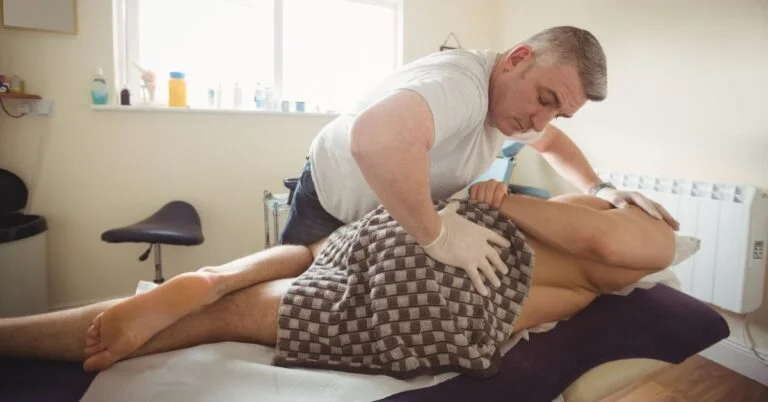
Chiropractic care is a vital component of holistic health, focusing on spinal alignment, pain relief, and overall wellness. Many Blue Cross Blue Shield (BCBS) insurance plans cover chiropractic services, making it easier for patients to access this essential care. In this article, we’ll explore how BCBS facilitates chiropractic wellness, what services are typically covered, and how you can maximize your benefits.
How BCBS Supports Chiropractic Wellness
1. Coverage for Chiropractic Adjustments
Many BCBS plans include chiropractic care as part of their benefits, particularly for spinal manipulation to treat musculoskeletal issues like back pain, neck pain, and headaches.
2. Preventative and Maintenance Care
Some BCBS plans extend coverage beyond acute pain relief, supporting wellness visits that help prevent future injuries and maintain spinal health.
3. Network of Qualified Providers
BCBS has a broad network of licensed chiropractors, ensuring that patients receive high-quality care from credentialed professionals.
4. Affordable Co-Pays and Deductibles
Depending on your plan, chiropractic visits may require a co-pay or be subject to a deductible. Some plans offer discounted rates for in-network providers.
5. Additional Therapies Covered
Beyond adjustments, BCBS may cover related therapies such as:
Electrical muscle stimulation
Therapeutic ultrasound
Corrective exercises
Massage therapy (in some cases)
Maximizing Your BCBS Chiropractic Benefits
Verify Your Coverage – Check your plan details or contact BCBS to confirm chiropractic benefits.
Choose In-Network Providers – This reduces out-of-pocket costs.
Get a Referral if Needed – Some plans require a referral from a primary care physician.
Track Your Visits – BCBS may limit the number of covered sessions per year.
Conclusion
BCBS makes chiropractic wellness accessible by offering coverage for adjustments, preventative care, and related therapies. By understanding your plan’s benefits and choosing in-network providers, you can take full advantage of chiropractic care to enhance your overall well-being.
FAQs: BCBS and Chiropractic Wellness
1. Does BCBS cover chiropractic care?
Yes, many BCBS plans include chiropractic care, primarily for spinal manipulation to treat musculoskeletal conditions. Coverage varies by plan, so check your policy details.
2. Do I need a referral to see a chiropractor with BCBS?
Some BCBS plans require a referral from a primary care physician, while others allow direct access. Review your plan or contact BCBS for specifics.
3. How many chiropractic visits does BCBS cover per year?
Coverage limits vary—some plans allow 12-24 visits per year, while others may have lower or higher limits. Check your policy for exact numbers.
4. Are X-rays and other diagnostic tests covered?
Some BCBS plans cover chiropractic X-rays if deemed medically necessary. Confirm with your provider and insurance company beforehand.
5. Does BCBS cover chiropractic care for wellness and prevention?
While most plans focus on medically necessary treatments, some include wellness visits. Check your plan for preventative care benefits.
6. What if my chiropractor is out-of-network?
Out-of-network care may still be covered but often at a higher cost. Verify reimbursement rates with BCBS before proceeding.
7. Are massage therapy and physical therapy covered under chiropractic care?
Some BCBS plans cover adjunct therapies like massage or physical therapy if prescribed as part of a chiropractic treatment plan.
8. How do I find a BCBS-approved chiropractor?
Use the BCBS provider directory on their website or call customer service to locate in-network chiropractors near you.
9. What conditions are typically covered by BCBS for chiropractic care?
Common covered conditions include:
Back and neck pain
Headaches/migraines
Sciatica
Joint dysfunction
Sports injuries
10. Can I use my HSA/FSA for chiropractic care?
Yes, chiropractic care is generally eligible for Health Savings Account (HSA) and Flexible Spending Account (FSA) payments if deemed medically necessary.
By understanding your BCBS chiropractic benefits, you can make informed decisions to support your spinal health and overall wellness. Always verify coverage details with your insurer before starting treatment.
Develop a clear career plan to guide your professional journey.
Engage in continuous education to stay current with advances in healthcare.
Build a strong professional network for support and opportunities.
Prioritize self-care to maintain personal well-being and job performance.
A career in nursing offers a meaningful opportunity to make a lasting difference in people’s lives while working in a dynamic and evolving healthcare environment. Building a strong foundation begins with the right education, clinical experience, and commitment to lifelong learning. Aspiring nurses must develop not only technical knowledge but also critical thinking, communication skills, and emotional resilience. As healthcare systems grow more complex, professionals who stay adaptable and informed are better prepared to meet changing patient needs and professional standards.
Preparation also involves successfully passing licensure examinations and meeting state requirements. Many candidates seek structured review programs, such as training for nurse exam Brooklyn NY, to strengthen their understanding of core subjects and testing strategies. Combining formal education with practical experience and focused exam preparation can help aspiring nurses transition confidently from the classroom to clinical practice, setting the stage for long-term professional growth and stability.
Career Planning: Mapping Your Path
Creating a concrete career plan is the cornerstone of a successful nursing journey. Start by setting clear short-term and long-term goals, whether that is mastering clinical competencies, pursuing specialization, or advancing into leadership. Break down your objectives into actionable steps and review them regularly to track progress and remain flexible. The healthcare sector is dynamic, so your ambitions may shift as you gain experience and recognize new areas of interest. Regularly updating your career map keeps you motivated and focused while enabling you to respond confidently to emerging trends and opportunities.
Continuing Education: Staying Ahead
Lifelong learning is essential for nurses because medical practices, technologies, and disease management protocols are always advancing. Pursue ongoing education through workshops, conferences, or obtaining specialized certifications that align with your interests. These opportunities can broaden your clinical knowledge, open doors to higher-paying roles, and improve patient outcomes. For example, certifications in specialties such as pediatric nursing or gerontology demonstrate dedication to expertise and may be required for advanced practice roles.
Networking: Building Professional Relationships
Building a robust professional network is indispensable to career advancement in nursing. Join national or local nursing associations, attend industry conferences, and participate in online forums or webinars. Networking connects you with mentors, potential employers, and peers who share valuable advice regarding best practices, trends, and job opportunities. These relationships often lead to job referrals, collaborative research projects, and meaningful professional support during challenging times.
Specialization: Finding Your Niche
Exploring a nursing specialty allows you to channel your passions and strengths into a focused area of healthcare. Whether it is oncology, critical care, pediatrics, or another specialty, choosing a niche not only elevates job satisfaction but also can enhance your expertise and earning potential. Experience in various units during your early career will inform your decision about which specialty suits you best, so do not hesitate to try different placements. Specialized nurses often become leaders and mentors in their chosen fields, advancing care and setting standards for care.
Mentorship: Learning from Experienced Nurses
Connecting with experienced nurses through mentorship programs is invaluable when navigating the complexities of a healthcare environment. Mentors offer guidance during difficult clinical situations, share career advice, and model professional behavior. Many healthcare institutions offer structured mentorship initiatives, but nurses can also seek informal mentorships through networking. A mentor’s perspective can help you cultivate clinical skills, emotional resilience, and the confidence to pursue new roles.
Self-Care: Maintaining Personal Well-being
Self-care is essential for maintaining longevity and performance in nursing. The demands of the profession, long shifts, emotionally challenging patient cases, and high-stakes decisions can lead to burnout if not managed properly. Make time for regular exercise, a healthy diet, quality sleep, and mindfulness practices. Setting clear boundaries at work and seeking emotional or psychological support when needed will also help sustain your well-being. The American Nurses Association recommends routine self-assessment and proactive steps to maintain both mental and physical health throughout your career. For more information, refer to their guidelines on building resilience and practicing self-care: Three Steps for Nurses to Build Resilience.
Leadership: Stepping Up in Your Role
Strong leadership skills distinguish nurses who progress into advanced roles and impact patient care at a systemic level. Demonstrate initiative in your daily responsibilities by leading patient care teams, coordinating projects, or actively contributing to policy discussions. Enrolling in leadership training or pursuing an advanced degree can equip you with the tools to drive change. Nurses with leadership abilities are often called upon to train colleagues, advocate for improved practices, and drive innovation within healthcare organizations.
Adaptability: Embracing Change in Healthcare
Nursing is a profession marked by constant change, with new technologies, evolving best practices, and shifts in patient demographics. Being adaptable means continually monitoring developments in your field and embracing new tools or workflows. By staying flexible and open to feedback, you not only safeguard your relevance but also position yourself as a valuable resource in your workplace. Staff who can adapt quickly are better equipped to handle crises and implement new protocols effectively.
Conclusion
Building a successful nursing career requires goal setting, lifelong learning, strategic networking, and consistent personal care. By focusing on these areas, you are better equipped to meet the demands of your profession, achieve personal satisfaction, and contribute to a healthier community.
CPR training should be accessible and encouraged for everyone, regardless of age.
Introducing CPR education to children helps build a foundation of community readiness that lasts a lifetime.
Schools and community organizations are vital partners in spreading CPR knowledge.
Hands-only CPR offers an easy-to-learn, effective technique for immediate lifesaving action.
Empowering diverse populations, including seniors, with CPR skills supports safer and more resilient communities.
Cardiac emergencies can strike without warning, affecting anyone—from children to seniors—at any time or place. Cardiopulmonary resuscitation (CPR) is a lifesaving technique that bridges the gap between sudden cardiac arrest and the arrival of emergency medical help. Equipping yourself and those around you with CPR skills is a crucial step in improving survival rates after cardiac events. Community-focused training sessions, such as adult CPR classes Upland, CA, make it easier than ever to get certified and prepared to act in a crisis.
Far from being a skill reserved for healthcare professionals, CPR is something people of all ages can—and should—learn. Early intervention with CPR can double or triple the chances of survival for a cardiac arrest victim, underscoring the vital importance of widespread training and public education in this area. Empowering families, school groups, and seniors with this knowledge can create safer and more confident communities.
Starting Young: CPR Education for Children
Children are often quick learners and surprising advocates for health and safety. Research shows that children as young as four can begin learning to recognize emergencies, the basics of calling for help, and even simple lifesaving actions. As they mature, they can acquire more advanced CPR skills, including chest compressions, setting the stage for a lifelong readiness to assist in emergencies. Instilling these abilities early empowers youth, increasing the odds that they will act quickly and courageously when needed.
CPR Training in Schools: A Nationwide Movement
Schools play a pivotal role in building a generation ready to respond to cardiac emergencies. Over 40 states now require CPR training for high school graduation, reflecting growing awareness that a prepared public is critical to improving survival rates. Arizona, for example, mandates that all high school students receive CPR instruction—an initiative designed to send thousands of CPR-trained young adults into the wider world every year. Programs like these ensure lifesaving know-how is not only widespread but continually refreshed as new generations graduate.
Community Programs: Making CPR Training Accessible
Outside of formal school settings, local organizations, health agencies, and businesses are stepping up to make CPR accessible to everybody. Many offer free or low-cost training sessions at busy public venues such as farmers’ markets, fairs, and community centers. Participants can learn hands-only CPR in as little as 15 minutes, breaking down barriers such as a lack of time or intimidation about complex skills. Easy accessibility empowers more individuals to participate, creating a culture of readiness and communal responsibility.
Overcoming Barriers: Addressing the Confidence Gap
Despite increased access, many Americans remain reluctant to perform CPR, often citing a lack of confidence or fear of “doing it wrong.” This hesitation can have dire consequences; studies highlight the importance of regular, hands-on practice and public awareness campaigns to boost confidence. The American Heart Association emphasizes that a push for more frequent training and ongoing public education can help bridge the confidence gap and get more people ready to act in a crisis.
CPR Training for Seniors: Empowering Older Adults
Older adults are among those most likely to witness or experience cardiac events, making CPR training especially important for this group. Many community centers and senior organizations offer tailored courses addressing unique concerns, such as physical limitations or chronic health conditions. By adapting CPR programs to meet the needs of seniors, communities help ensure this high-risk group is both protected and prepared to assist others when seconds count.
Hands-Only CPR: Simplifying the Process
Some people are intimidated by the idea of performing full CPR, especially mouth-to-mouth ventilation. Hands-only CPR addresses this concern by focusing exclusively on high-quality chest compressions delivered at a rate of 100-120 beats per minute until professional help arrives. This straightforward method has been demonstrated to be particularly effective during the first critical minutes of a cardiac arrest. The American Heart Association provides guidelines and instructional videos for hands-only CPR, making it simple for anyone to start learning today.
Building a Lifesaving Community
CPR is a skill where preparedness and speed make all the difference. By making training accessible to all—from young children in schools, to busy adults through community programs, to seniors with specialized courses—society can dramatically improve its response to sudden cardiac emergencies. Overcoming barriers of confidence and misinformation is critical, as is supporting programs that bring this knowledge to every segment of the population. The life you save tomorrow could be that of a loved one or a neighbor. Embrace CPR training today and join the movement toward a safer, more resilient community.
Emerging technologies are enhancing the effectiveness of spinal fracture treatments.
Minimally invasive procedures are reducing recovery times and improving patient comfort.
Ongoing research continues to push the boundaries of spinal care.
Table of Contents
Introduction
Minimally Invasive Techniques
Robotic-Assisted Surgeries
3D-Printed Implants
Stem Cell Therapies
Patient-Specific Implants
Conclusion
Spinal fractures, which often result from traumatic incidents or conditions such as osteoporosis, can lead to significant pain, restricted mobility, and long-term disability. Fortunately, rapid progress in spinal healthcare has resulted in innovative approaches that offer renewed hope to patients. Minimally invasive procedures, precision technologies, and a focus on patient-specific solutions are reshaping the recovery journey. To learn more about a minimally invasive breakthrough procedure, visit kyphoplasty Jacksonville, FL.
Advancements in spinal fracture treatments focus not only on repairing vertebrae but also on enhancing patients’ quality of life by reducing recovery times and complications. Innovations are evolving, providing new hope for patients with previously limited treatment options. Healthcare systems globally are embracing research and clinical trials, leading to groundbreaking solutions for spinal injuries. This progress is facilitated by collaboration among surgeons, engineers, and research institutions, which is improving recovery outcomes.
Minimally Invasive Techniques
Minimally invasive spine surgery (MISS) represents a pivotal advance for individuals with spinal fractures. Using specialized tools and imaging technologies, surgeons can access the spinal area through smaller incisions, preserving muscle tissue and minimizing blood loss. The result is diminished post-surgical pain and faster rehabilitation—benefits that make MISS exceptionally appealing for both patients and physicians. Procedures such as vertebroplasty and kyphoplasty demonstrate how innovations can reshape traditional standards, leading to safer interventions and more predictable outcomes. These procedures are particularly beneficial for those with osteoporosis-related fractures.
Robotic-Assisted Surgeries
The integration of robotic systems into the operating room has sharpened surgical accuracy. Robotic-assisted surgery grants the surgeon improved visualization, steadier hand movement, and real-time feedback. This produces more consistent outcomes by allowing precise placement of screws, rods, and implants during spinal fusion or fracture stabilization. The risk of human error decreases, leading to fewer complications and improved long-term stability. Many leading hospitals now utilize robotic technology for their most complex spinal fracture repairs, reflecting the importance of precision in achieving optimal healing. Mayo Clinic discusses the benefits and potential of robotic spine surgery.
3D-Printed Implants
Among the most exciting breakthroughs in spinal medicine is the advent of 3D-printed implants. Customizable and designed to fit each individual’s unique anatomy, these implants allow for a tailored approach to treatment. Specific 3D-printed devices can deliver targeted electrical stimulation, fostering nerve regeneration and healing in damaged spinal tissues. Collaboration among engineers, researchers, and clinicians has paved the way for optimized implant structures that integrate seamlessly with biological tissues, thereby reducing the likelihood of rejection. These advances also open the door for earlier movement and rehabilitation following complex injuries or reconstructions. This story continues to unfold, with promising data emerging from major medical centers and research universities.
Stem Cell Therapies
Recent research has highlighted the potential of stem cell therapies in treating spinal fractures and spinal cord injuries. By combining pluripotent stem cells with advanced electrical stimulation techniques, scientists have reported reductions in scar tissue and notable improvements in motor function, surpassing those seen in traditional therapies. Most studies to date have been in animal models, but early-phase clinical trials are underway in humans. If successful, these therapies could provide options even for patients with chronic injuries where conventional treatments have failed. The continuing integration of biological repair and regenerative medicine has sparked a new era of hope in spinal care.
Patient-Specific Implants
Personalized medicine has reached the spine through computational design and additive manufacturing. Patient-specific implants, created from detailed imaging of a person’s spinal anatomy, promise to mitigate many of the issues seen with traditional, one-size-fits-all devices. These custom implants match both the mechanical needs and unique contours of the patient, reducing the likelihood of movement, tissue irritation, and implant failure. As more centers adopt this approach, outcomes are expected to improve — with fewer revision surgeries and greater patient satisfaction. With advancements in imaging, manufacturing, and biomaterials, the future of truly individualized spinal fracture care is closer than ever.
Conclusion
The landscape of spinal fracture treatment is transforming through innovations such as minimally invasive surgery, robotic assistance, custom 3D-printed implants, advanced stem cell therapies, and patient-specific solutions. As these techniques transition from research labs into mainstream clinical settings, they offer safer options, faster recoveries, and a renewed sense of possibility for patients with spine injuries everywhere. The coming years promise further discoveries and improvements that will continue to extend the boundaries of spinal care, making hope and healing more accessible to all.