Life Style
Innovative Solutions for Food Safety and Display

Key Takeaways
- Cutting-edge detection technologies enable higher accuracy in contaminant identification in food products, helping prevent costly recalls and protect public health.
- Smart packaging informs consumers about food freshness and helps reduce unnecessary food waste, benefiting both the environment and bottom lines.
- Digital tools modernize food safety monitoring and enhance transparency through real-time data analytics, enabling instantaneous adjustments to prevent errors before they escalate.
- Advanced display solutions enhance the visual appeal and integrity of food products on store shelves, attracting more customers and boosting sales velocity.
Ensuring food safety and effective product presentation stands at the forefront of today’s food industry. Businesses are increasingly investing in technology-driven solutions that not only keep products safe for consumption but also attract consumer attention in crowded retail environments. New advances in food service display systems and safety protocols are setting higher standards for the entire supply chain, from farms to grocery shelves. Whether it’s a small local deli or a giant multinational grocer, everyone is under increasing pressure to improve food hygiene and showcase freshness while meeting evolving consumer expectations for transparency and quality.
Changing consumer preferences, regulatory pressures, and global market forces have accelerated the adoption of these innovations. Companies are now leveraging digital tools, intelligent packaging, and sophisticated detection techniques to improve food quality, visibility, and waste reduction. These shifts not only benefit businesses and consumers but also contribute to broader sustainability efforts by optimizing food use and minimizing health risks. As global supply chains grow ever more complex, these innovations help reduce costs, foster customer loyalty, and keep organizations ahead of increasingly rigorous government regulations.
Advanced Detection Technologies
Food safety has been significantly improved by advanced detection technologies that surpass traditional inspection methods, which often fail to identify foreign objects or microbial contamination. New techniques such as hyperspectral imaging and rapid DNA-based diagnostics offer more detailed analyses, enabling food processors to detect invisible contaminants before products are marketed, thereby minimizing liabilities and preserving brand integrity. The U.S. Food and Drug Administration reports that automated detection systems enhance recall efficiency and reduce the risk of contaminated products reaching consumers. By integrating hyperspectral methods with artificial intelligence, inspection processes become more streamlined and consistent, bolstering confidence in product safety in high-volume production environments. Additionally, machine learning models can now process large datasets rapidly, ensuring that anomalies missed by manual inspections are flagged promptly. These innovations are transforming not just food processing facilities, but logistics centers and grocery store backrooms, reinforcing public health safeguards.
Smart Packaging Solutions
Innovation in packaging design plays a critical role in food safety and longevity. Smart packaging uses sensors and indicators to deliver real-time information on the freshness and condition of food items. Technologies like touch-sensitive labels give tactile feedback, changing texture as food begins to spoil so consumers can immediately identify freshness. This not only reinforces confidence in product quality but also helps retailers significantly reduce unnecessary food disposal. In some cases, these labels are being expanded to include QR codes that link to product-specific data, such as carbon footprint or supply chain journey, satisfying the growing appetite for information among conscious consumers.
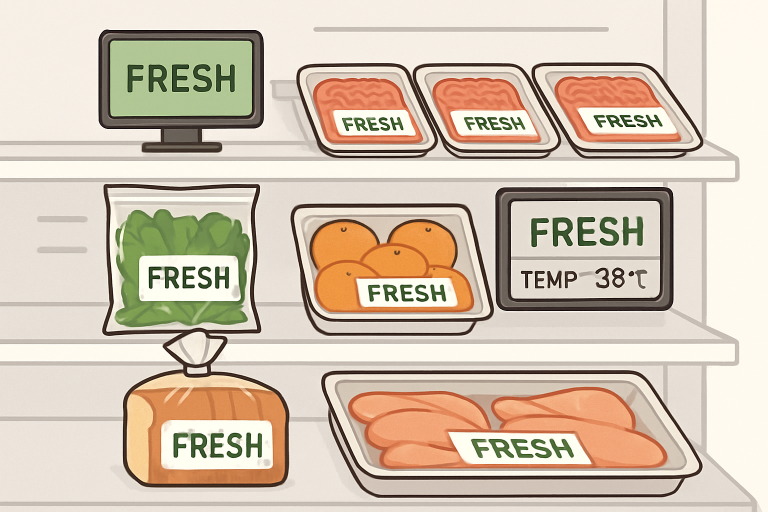

These inventions are paving the way for more accurate shelf-life dating, helping both food producers and consumers make informed decisions. Food manufacturers equipped with reliable indicators can print longer, more accurate expiration dates. This proactive approach directly combats food waste and supports global efforts to create more sustainable supply chains. Governments and advocacy groups are recognizing these benefits, with some policy frameworks now offering incentives for businesses that use food waste-reducing technologies in their operations.
Digital Monitoring Systems
The transition from manual to digital monitoring is revolutionizing food safety management. Digital systems replace paper logs, providing real-time capture, storage, and analysis of safety and quality data, enabling quicker responses to issues and enhanced compliance reporting. These platforms generate alerts for management, ensuring swift action on safety protocol deviations. Businesses gain improved traceability and accountability through automated alerts and analytics that reveal trends and procedural gaps. Digital recordkeeping also aids compliance during audits and inspections and promotes data sharing among supply chain partners for quality assurance.
Innovative Display Technologies
Display technology in food packaging has advanced to enhance both hygiene and visual appeal, incorporating features like anti-fog coatings to maintain product visibility in humid conditions. This is crucial in ready-to-eat sections, where product appearance drives impulse purchases. Additionally, UV-C lighting in display cases disinfects surfaces, benefiting retailers by improving product integrity and reducing shrinkage, while boosting consumer confidence through visible freshness. Innovations in display and packaging are essential in a competitive market, with strategies like shelf lighting and modular designs optimizing product presentation and customer flow.
Conclusion
The wave of innovative solutions for food safety and display is transforming the industry landscape. Advanced detection technologies, smart packaging, digital monitoring systems, and display enhancements are reshaping how food is managed and presented from production lines to store shelves. By embracing these approaches, the food sector can achieve new heights in safety, sustainability, and consumer trust, laying a robust foundation for the future of food service and retail. As consumer demands continue to evolve and technological capabilities expand, staying ahead with these leading-edge solutions is essential for long-term business growth and industry leadership.