Connect with us

Technology

Hybrid Vehicles: Driving Towards a Sustainable Future

Published

on

Hybrid Vehicles: Driving Towards a Sustainable Future

In recent decades, the transportation Hybrid Vehicles industry has undergone a significant transformation, driven by environmental concerns, rising fuel costs, and technological advancements. One of the most notable innovations in this evolution is the hybrid vehicles—a vehicle that combines two or more types of power sources to optimize efficiency, performance, and sustainability.

What Is a Hybrid Vehicle?

A hybrid vehicle (HV) typically combines an internal combustion engine (ICE), usually powered by gasoline or diesel, with one or more electric motors powered by a battery. The synergy between these systems allows the vehicle to reduce fuel consumption, lower emissions, and provide a smoother driving experience. Unlike fully electric vehicles, hybrids do not rely solely on batteries, making them more versatile in areas where charging infrastructure is limited.

Types of Hybrid Vehicles

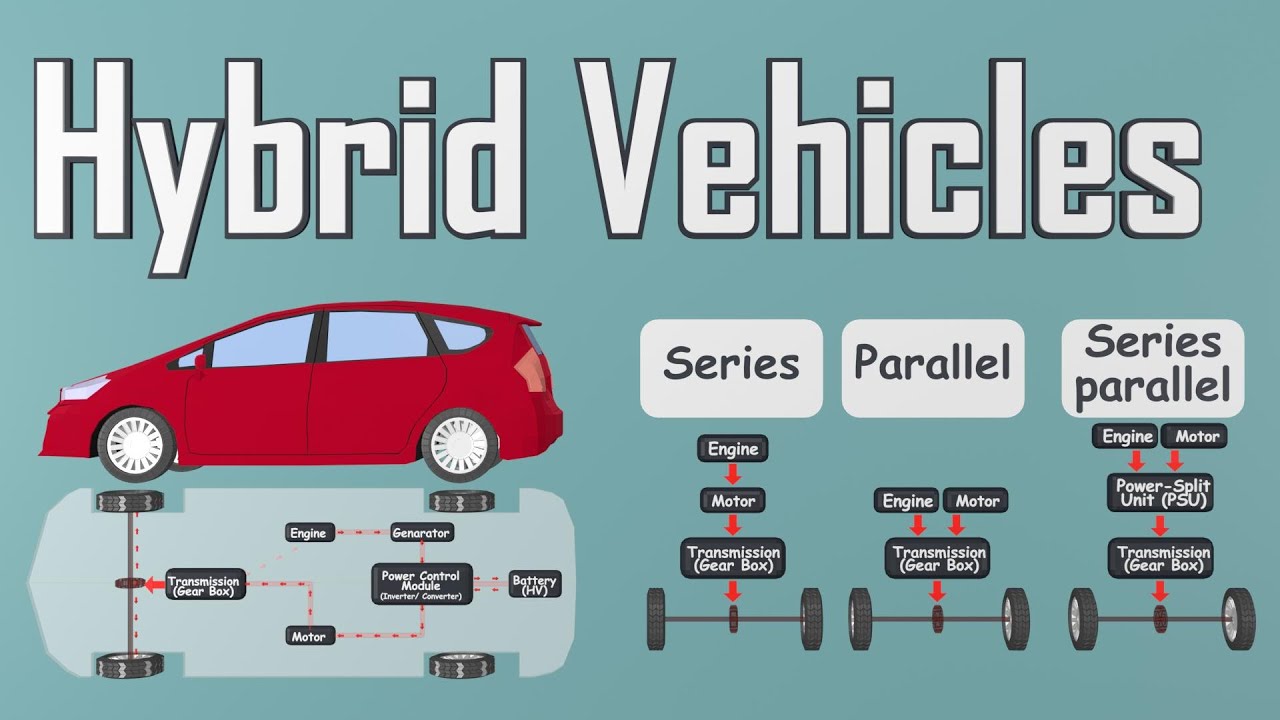
Hybrid vehicles are generally classified into three main types:

  1. Full Hybrids (Parallel Hybrids):
    These vehicles can operate using the engine alone, the electric motor alone, or a combination of both. Popular examples include the Toyota Prius and Ford Fusion Hybrid. They are highly efficient in stop-and-go traffic, where electric motors can power the vehicle at low speeds.
  2. Mild Hybrids:
    Mild hybrids cannot run solely on electric power. Instead, the electric motor assists the engine, improving fuel efficiency and reducing emissions. This type is commonly found in modern sedans and SUVs.
  3. Plug-in Hybrids (PHEVs):
    Plug-in hybrids feature larger batteries that can be recharged via an external power source. They can travel significant distances on electricity alone before switching to the internal combustion engine. This hybrid type combines the benefits of electric vehicles and traditional hybrids.

How Hybrid Vehicles Work

Hybrid vehicles use sophisticated systems to manage energy efficiently. Key components include:

  • Battery Pack: Stores energy for the electric motor.
  • Electric Motor/Generator: Provides propulsion or generates electricity during braking.
  • Internal Combustion Engine: Powers the vehicle when battery levels are low or during high-speed driving.
  • Power Control Unit (PCU): Manages energy flow between the engine, motor, and battery for optimal efficiency.

One of the most innovative features of hybrid vehicles is regenerative braking. When braking, the electric motor converts kinetic energy into electrical energy, which is stored in the battery for later use. This not only improves fuel efficiency but also reduces wear on traditional braking components.

Advantages of Hybrid Vehicles

  1. Fuel Efficiency: Hybrids consume less fuel than conventional vehicles, saving money and reducing dependency on fossil fuels.
  2. Reduced Emissions: By relying partially on electric power, hybrids emit fewer greenhouse gases and pollutants.
  3. Tax Incentives and Subsidies: Many governments provide financial incentives for hybrid vehicle owners.
  4. Quiet Operation: Electric motors produce minimal noise, enhancing driving comfort.

Challenges and Considerations

Despite their advantages, hybrid vehicles face certain challenges:

  • Higher Initial Cost: Hybrids are generally more expensive than conventional vehicles due to advanced technology.
  • Battery Replacement Costs: Over time, battery degradation can lead to costly replacements.
  • Complex Maintenance: The combination of electric and combustion systems requires specialized servicing.

The Future of Hybrid Vehicles

As the automotive industry accelerates toward electrification, hybrid vehicles serve as a critical bridge between traditional combustion engines and fully electric vehicles (EVs). Innovations in battery technology, regenerative systems, and AI-driven energy management promise to make hybrids more efficient, affordable, and environmentally friendly in the coming years.

Conclusion

Hybrid vehicles represent a harmonious blend of tradition and innovation, offering drivers an eco-friendly alternative without sacrificing performance or convenience. By reducing fuel consumption and emissions, they contribute to a cleaner, more sustainable future. As technology continues to advance, hybrids will remain a key player in the journey toward greener transportation.

Continue Reading
Click to comment

Leave a Reply

Your email address will not be published. Required fields are marked *

Technology

Newtopy: The Ultimate Guide to Understanding This Emerging Digital Concept

Published

on

By

Newtopy: The Ultimate Guide to Understanding This Emerging Digital Concept

Introduction Newtopy

In today’s rapidly evolving digital Newtopy landscape, new concepts and technologies emerge almost daily. One such intriguing term gaining attention is Newtopy. While still relatively new, Newtopy is beginning to spark curiosity among tech enthusiasts, entrepreneurs, and digital innovators alike.

But what exactly is Newtopy? Why is it becoming popular? And how can it impact the future of technology and online ecosystems?

This comprehensive guide will break down everything you need to know about Newtopy in a simple, engaging, and practical way.

What is Newtopy?

Newtopy can be described as a modern digital concept that blends innovation, connectivity, and next-generation solutions into a unified ecosystem. It is often associated with:

  • Advanced digital platforms
  • Smart automation systems
  • User-centric technological environments
  • Emerging internet-based tools

In simpler terms, Newtopy represents a new way of thinking about technology, where efficiency, scalability, and user experience are prioritized.

Key Features of Newtopy

1. Innovation-Driven Approach

Newtopy focuses heavily on innovation. It encourages the use of cutting-edge tools such as AI, automation, and smart integrations to enhance productivity.

2. User-Centric Design

Unlike traditional systems, Newtopy emphasizes creating solutions that are intuitive, easy to use, and highly interactive.

3. Scalability

One of the biggest strengths of Newtopy is its ability to grow with user needs. Whether you’re a beginner or a large enterprise, it adapts accordingly.

4. Integration-Friendly

Newtopy systems are designed to integrate seamlessly with other tools, platforms, and services, making workflows smoother and more efficient.

Why is Newtopy Gaining Popularity?

Digital Transformation Boom

As businesses and individuals move online, there is a growing demand for smarter and more efficient systems. Newtopy fits perfectly into this trend.

Efficiency and Automation

Automation is the future, and Newtopy leverages it to reduce manual work and increase productivity.

Versatility

From web applications to SaaS tools, Newtopy can be applied in multiple domains, making it highly versatile.

Applications of Newtopy

Newtopy can be applied across various industries and use cases:

1. Web Development

Developers can use Newtopy principles to build faster, more interactive websites and applications.

2. Digital Marketing

It helps marketers automate campaigns, analyze data, and improve user targeting.

3. Business Management

Companies can streamline operations, manage resources, and improve decision-making.

4. Content Creation Platforms

Newtopy can enhance tools like:

  • Image-to-text extractors
  • Video downloaders
  • Temporary email services

Benefits of Using Newtopy

  • ✅ Increased productivity
  • ✅ Better user experience
  • ✅ Faster development cycles
  • ✅ Cost efficiency
  • ✅ Future-ready solutions

Challenges of Newtopy

While Newtopy offers many advantages, it also comes with challenges:

  • Learning Curve: New users may need time to understand the system
  • Initial Setup Cost: Advanced tools may require investment
  • Security Concerns: Like any digital system, proper security measures are essential

Future of Newtopy

The future of Newtopy looks promising. As technology continues to evolve, Newtopy is expected to:

  • Integrate more deeply with AI and machine learning
  • Power next-generation SaaS platforms
  • Improve automation in everyday digital tasks
  • Revolutionize how businesses operate online

It has the potential to become a core framework for digital innovation in the coming years.

How to Get Started with Newtopy

If you’re interested in exploring Newtopy, here are some simple steps:

  1. Learn the Basics – Understand its core principles
  2. Start Small – Apply it to a simple project
  3. Use Modern Tools – Combine it with frameworks like Python, Tailwind, or Next.js
  4. Focus on Automation – Build systems that reduce manual work
  5. Keep Learning – Stay updated with trends

Conclusion

Newtopy is more than just a buzzword—it represents a shift toward smarter, more efficient, and user-focused digital solutions. Whether you’re a developer, entrepreneur, or tech enthusiast, understanding Newtopy can give you a significant edge in today’s competitive digital world.

As innovation continues to grow, embracing concepts like Newtopy can help you stay ahead and build future-ready projects.

FAQs About Newtopy

1. Is Newtopy a technology or a concept?

Newtopy is more of a concept or approach that can be applied using various technologies.

2. Can beginners use Newtopy?

Yes, beginners can start with basic projects and gradually scale up.

3. Is Newtopy useful for startups?

Absolutely. It helps startups build scalable and efficient systems quickly.

4. Does Newtopy require coding skills?

Basic coding knowledge is helpful, but many tools make it accessible to non-developers as well.

5. What makes Newtopy different?

Its focus on innovation, automation, and user experience sets it apart from traditional systems.

Continue Reading

Technology

Pasonet: A Comprehensive Guide to the Emerging Digital Ecosystem

Published

on

By

Pasonet: A Comprehensive Guide to the Emerging Digital Ecosystem

In today’s rapidly evolving Pasonet digital landscape, new platforms and technologies constantly reshape how individuals and businesses interact online. One such emerging concept gaining attention is Pasonet. While still relatively new, Pasonet is being discussed as a transformative digital ecosystem designed to streamline connectivity, enhance productivity, and integrate modern technologies into a unified experience.

In this in-depth guide, we’ll explore what Pasonet is, how it works, its key features, benefits, and its potential impact on the future of digital innovation.

What is Pasonet?

Pasonet can be described as a next-generation digital platform or ecosystem that combines networking, data management, and intelligent automation into a single framework. It aims to simplify complex processes by offering users a centralized hub where they can manage digital activities efficiently.

Unlike traditional platforms that focus on one service, Pasonet is built with a multi-functional approach, enabling seamless interaction between tools, users, and systems.

Core Concept Behind Pasonet

At its core, Pasonet revolves around three main principles:

1. Connectivity

Pasonet focuses on creating a highly connected environment where users, devices, and services interact smoothly.

2. Integration

It integrates multiple functionalities—such as communication tools, data analytics, and automation—into one platform.

3. Intelligence

By leveraging modern technologies like Artificial Intelligence (AI) and Machine Learning (ML), Pasonet can provide smart recommendations and automate repetitive tasks.

Key Features of Pasonet

1. Unified Dashboard

Pasonet offers a centralized interface where users can manage all their digital operations, reducing the need for multiple platforms.

2. Smart Automation

Automation tools help users perform tasks more efficiently, saving both time and effort.

3. Real-Time Data Processing

The platform processes data in real-time, allowing for faster decision-making.

4. Scalable Infrastructure

Whether for individuals or large enterprises, Pasonet is designed to scale according to user needs.

5. Enhanced Security

With built-in security protocols, Pasonet ensures that user data remains safe and protected.

How Pasonet Works

Pasonet operates by combining cloud-based systems with intelligent algorithms. Here’s a simplified breakdown:

  1. Data Collection: Information is gathered from various sources.
  2. Processing: Advanced algorithms analyze the data.
  3. Integration: Insights are integrated into user workflows.
  4. Action: Automated or user-driven actions are executed.

This streamlined process allows users to focus more on decision-making rather than manual operations.

Benefits of Using Pasonet

1. Increased Productivity

By automating repetitive tasks, users can focus on high-value activities.

2. Cost Efficiency

Reducing the need for multiple tools helps cut operational costs.

3. Improved Collaboration

Teams can work together seamlessly within a unified environment.

4. Better Decision-Making

Real-time insights enable faster and more accurate decisions.

5. Flexibility and Scalability

Pasonet adapts to the needs of both small users and large organizations.

Potential Use Cases

1. Business Management

Companies can use Pasonet to manage operations, track performance, and automate workflows.

2. Education

Educational institutions can leverage the platform for digital learning and administrative management.

3. Healthcare

Pasonet can help manage patient data, streamline communication, and improve service delivery.

4. Freelancers and Creators

Independent professionals can organize projects, communicate with clients, and automate tasks.

Challenges and Considerations

While Pasonet offers numerous advantages, there are some challenges to consider:

  • Adoption Barrier: New users may need time to understand the platform.
  • Initial Setup: Integration with existing systems may require effort.
  • Data Privacy Concerns: Like any digital platform, security must be continuously monitored.

Future of Pasonet

As digital transformation accelerates, platforms like Pasonet are expected to play a crucial role in shaping the future. With advancements in AI, cloud computing, and automation, Pasonet could evolve into a powerful ecosystem that supports smart cities, digital businesses, and global collaboration.

Conclusion

Pasonet represents a forward-thinking approach to digital integration and automation. By combining connectivity, intelligence, and scalability, it has the potential to revolutionize how individuals and organizations interact with technology.

While still emerging, its concept aligns perfectly with the growing demand for unified, efficient, and intelligent digital solutions. As adoption increases, Pasonet could become a key player in the next wave of digital innovation.

FAQs

1. Is Pasonet a software or a platform?

Pasonet is best described as a comprehensive digital platform that integrates multiple tools and services.

2. Who can use Pasonet?

It is suitable for businesses, freelancers, educators, and organizations of all sizes.

3. Does Pasonet require technical expertise?

Basic usage is user-friendly, but advanced features may require some technical understanding.

4. Is Pasonet secure?

Yes, it includes modern security features, though users should always follow best practices for data protection.

5. What makes Pasonet unique?

Its ability to combine multiple digital functions into one intelligent, scalable ecosystem sets it apart.

Continue Reading

Technology

Ovppyo: The Ultimate Guide to Understanding This Emerging Concept

Published

on

By

Ovppyo: The Ultimate Guide to Understanding This Emerging Concept

Introduction Ovppyo

In today’s fast-evolving digital Ovppyo landscape, new terms and concepts appear almost daily. One such intriguing and lesser-known term is Ovppyo. While it may not yet be widely recognized, Ovppyo is steadily gaining attention for its potential relevance in technology, innovation, and digital transformation.

In this comprehensive, SEO-optimized guide, we’ll explore what Ovppyo is, its possible applications, benefits, and why it could become important in the near future.

What is Ovppyo?

Ovppyo is a modern conceptual term that represents a blend of innovation, adaptability, and digital efficiency. Though still emerging, it is often associated with:

  • Advanced digital systems
  • Smart automation processes
  • Future-focused technological frameworks

In simple terms, Ovppyo can be understood as a next-generation approach to optimizing digital experiences and workflows.

The Origin of Ovppyo

The exact origin of Ovppyo remains unclear, which adds to its mystery and curiosity. However, it appears to be:

  • A coined term in tech communities
  • Possibly derived from experimental or startup ecosystems
  • Linked to evolving digital trends

Much like early internet buzzwords, Ovppyo is still defining its identity.

Key Features of Ovppyo

1. Innovation-Driven

Ovppyo emphasizes cutting-edge ideas and encourages the use of modern tools to solve complex problems.

2. Scalability

It supports systems that can grow easily, making it suitable for startups and large enterprises alike.

3. Efficiency Optimization

One of its core goals is improving performance while reducing unnecessary complexity.

4. Flexibility

Ovppyo adapts to different industries, whether it’s tech, business, or digital services.

Applications of Ovppyo

Although still conceptual, Ovppyo can be applied in several areas:

Digital Platforms

It can enhance user experience and streamline backend operations.

Automation Systems

Ovppyo may play a role in automating repetitive tasks efficiently.

Web Development

Developers could use Ovppyo-inspired strategies to build faster and smarter applications.

AI and Machine Learning

It aligns well with intelligent systems that require adaptability and optimization.

Benefits of Ovppyo

✔ Improved Productivity

By simplifying processes, Ovppyo helps save time and effort.

✔ Cost Efficiency

Optimized systems reduce operational costs.

✔ Future Readiness

Adopting Ovppyo prepares businesses for upcoming technological trends.

✔ Better User Experience

Enhanced systems lead to smoother and more engaging interactions.

Challenges and Limitations

Like any emerging concept, Ovppyo comes with challenges:

  • Lack of clear definition
  • Limited real-world implementation
  • Requires further research and development

However, these challenges are typical for new and evolving ideas.

Why Ovppyo Matters in 2026 and Beyond

The digital world is moving toward:

  • Automation
  • Artificial intelligence
  • Seamless user experiences

Ovppyo aligns perfectly with these trends, making it a concept worth watching. As technology advances, it may become a key framework for innovation and efficiency.

Future of Ovppyo

The future of Ovppyo looks promising. It could evolve into:

  • A recognized tech methodology
  • A framework for digital transformation
  • A guiding principle for developers and businesses

As more people explore and adopt it, Ovppyo may transition from a concept to a standard.

Conclusion

Ovppyo is an emerging and intriguing concept that represents innovation, efficiency, and adaptability in the digital age. While still in its early stages, its potential applications across industries make it worth understanding and exploring.

If you’re someone interested in technology, digital tools, or future trends, keeping an eye on Ovppyo could give you an early advantage in the ever-changing digital world.

FAQs

What does Ovppyo mean?

Ovppyo is an emerging term that represents innovation, optimization, and digital efficiency.

Is Ovppyo a technology or a concept?

Currently, it is more of a concept, but it may evolve into a structured technology or framework.

Who can benefit from Ovppyo?

Developers, businesses, startups, and tech enthusiasts can all benefit from its principles.

Is Ovppyo widely used today?

No, it is still in the early stages and not yet widely adopted.

Continue Reading

Trending

Copyright © 2017 Zox News Theme. Theme by MVP Themes, powered by WordPress.