Home Improvement
Prolonging the Life of Your Air Compressor: Essential Maintenance Tips

Table of Contents
- Regular Maintenance Schedule
- Monitoring Air Quality
- Operating at Optimal Pressure
- Addressing Air Leaks Promptly
- Ensuring Proper Cooling
- Using Manufacturer-Recommended Parts and Fluids
- Implementing Remote Monitoring Systems
- Conducting Regular System Audits
Air compressors are indispensable assets across industries, powering essential tools and systems. Prolonging their operational life is critical, not only for reducing replacement costs but also for maximizing productivity. Knowing how to maintain your compressor properly ensures uninterrupted operation and saves on both energy and repairs. As businesses and professionals in the Southeast know, maintaining an air compressor line Jacksonville FL, can be the difference between costly downtime and efficient project execution.
Effective maintenance is more than just checking oil or filters; it encompasses a proactive approach that addresses wear, component integrity, and air quality. By implementing the right strategies, you can keep your air compressor running smoothly, prevent premature breakdowns, and ensure your investment lasts for years to come.
Regular Maintenance Schedule
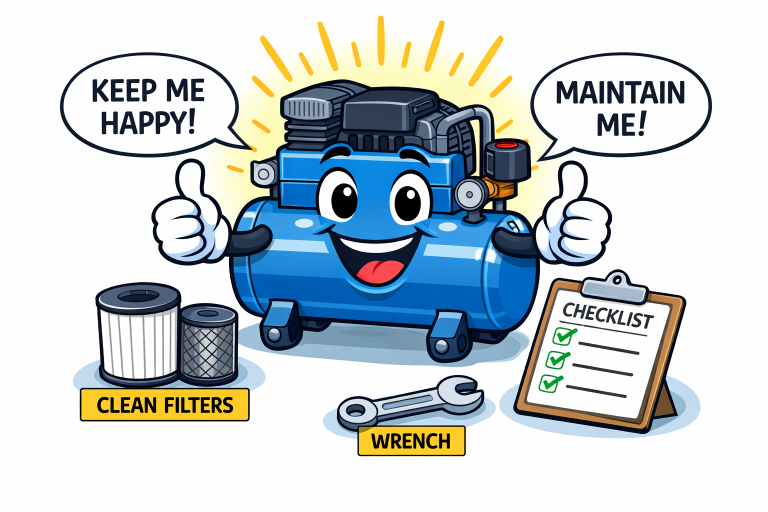
Routine maintenance is the most important preventive action you can take for your air compressor. Develop and adhere to a schedule that covers daily, weekly, and monthly checks. Daily reviews should include listening for unusual noises or vibrations and inspecting the equipment for signs of wear. Every week, check belts and filters, and confirm that all bolts and fastenings are secure. Monthly inspections should assess oil levels and replace air filters as needed. Timely identification and correction of small issues can help you avoid catastrophic failures down the line. According to Chicago Pneumatic, following a strict maintenance calendar is key to extending the service life of any compressed air system.
Monitoring Air Quality
The quality of air entering your compressor plays a significant role in system longevity. Contaminants such as dirt, oil vapor, and moisture can clog components, erode seals, and shorten the lifespan of internal parts. Installing high-quality air intake filters and air dryers can help ensure the air stays clean and dry. Replace these filters during your scheduled maintenance. Regular attention to air quality not only protects the compressor but also improves the performance of the tools and machinery it powers, as Sollant highlights.
Operating at Optimal Pressure
Many users unknowingly run their compressors at pressures higher than their applications require. This overexertion increases wear and tear, consumes more energy, and decreases the system’s overall efficiency. Adjust your pressure settings to align with your production requirements. Using only the pressure needed ensures your compressor operates efficiently and reduces the likelihood of premature component failure. A carefully calibrated system not only saves on operational costs but also extends your compressor’s life.
Addressing Air Leaks Promptly
Air leaks are a silent culprit for wasted energy and increased workload on your compressor. Even small leaks in hoses, fittings, or valves can cause significant losses over time, forcing your compressor to run more often and raising your energy bills. Regularly inspect the entire compressed air system for leaks, both visually and with leak detection tools. Prompt repairs will keep your system tight and efficient. The U.S. Department of Energy estimates that fixing leaks can cut energy costs by up to 20% for facility operators.
Ensuring Proper Cooling
Overheating is among the leading causes of compressor failure. Keep all ventilation paths clear of dust and debris, and make sure the compressor is installed in a well-ventilated area. Clean cooling fans and heat exchangers regularly to maintain adequate airflow. If your space is particularly hot or you run your compressor continuously, consider additional cooling solutions such as auxiliary fans or air conditioning to keep temperatures within safe limits.

Using Manufacturer-Recommended Parts and Fluids
The components and lubricants specified by your compressor’s manufacturer are chosen to meet the system’s precise engineering standards. Aftermarket or off-brand components might be less expensive, but they can compromise the entire system. Always opt for OEM parts and recommended fluids to guarantee compatibility. Using the correct supplies not only preserves your compressor’s warranty but also helps avoid unexpected breakdowns and voided service agreements.
Implementing Remote Monitoring Systems
As technology advances, remote monitoring systems have become increasingly accessible for air compressor maintenance. These systems provide real-time performance data, such as pressure, temperature, and vibration levels. By receiving immediate alerts about abnormalities or potential failures, you can schedule maintenance before problems escalate. Remote monitoring maximizes uptime, ensures optimal efficiency, and provides peace of mind to operators and business owners alike.
Conducting Regular System Audits
Periodic audits of the entire compressed air system identify inefficiencies, air losses, and areas requiring attention. Evaluate your system’s performance benchmarks and compare them to industry standards. Audits allow you to adjust maintenance strategies and optimize the compressor’s operation, making sure it continues to perform at its best within the scope of its design criteria.
Embracing a proactive maintenance culture around your air compressor system significantly increases equipment longevity, ensures reliable performance, and leads to substantial cost savings over time.