Nestled in the county of Kent, in the southeast of England, Gillingham is a town that embodies both historical significance and modern development. Often overshadowed by its neighboring Medway towns—Chatham, Rochester, and Strood—Gillingham has its own unique identity, marked by rich heritage, cultural vibrancy, and a growing economic landscape. From its origins as a small agricultural settlement to its role in the naval and industrial history of the Medway region, Gillingham presents an intriguing blend of the past and present.
Historical Roots and Evolution
Gillingham’s history stretches back centuries, with records indicating its existence as a settlement during the medieval period. Its name is believed to derive from the Old English term Gilingham, meaning “the homestead of Gylla’s people,” reflecting the typical Anglo-Saxon roots of many English towns. For much of its early history, Gillingham remained a small rural community, surrounded by farmland and woodland.
The town began to grow significantly in the 19th century, largely due to the expansion of the Royal Navy and the construction of the Chatham Dockyard nearby. The dockyard was a crucial center for shipbuilding and naval logistics, and Gillingham’s proximity made it a prime location for workers and their families. As the industrial revolution transformed England, Gillingham evolved from a quiet village into a bustling town with a thriving population and infrastructure.
Geography and Connectivity
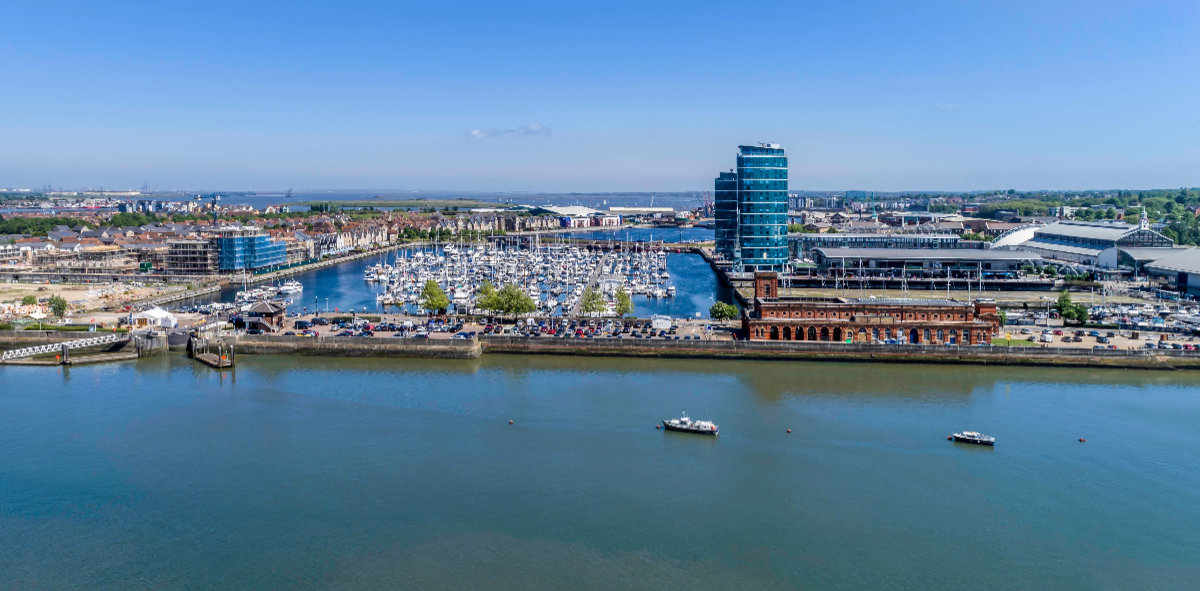
Gillingham is part of the Medway Towns, a conurbation in northwest Kent. It lies along the River Medway, which has historically been an important transportation and trade route. The town’s location has given it excellent connectivity. It is approximately 35 miles from London, accessible via road and rail, making it a practical location for commuters seeking a balance between urban employment opportunities and a suburban lifestyle. The town is served by the A2 road and has two railway stations—Gillingham and Rainham—linking it directly to London and other parts of Kent, enhancing both its economic potential and residential appeal.
Cultural Heritage and Community Life
Gillingham’s cultural landscape is enriched by a variety of institutions, events, and local traditions. One of the town’s key landmarks is the Royal Engineers Museum, located nearby in Chatham, which preserves the history of the British Army’s Corps of Royal Engineers. While technically outside Gillingham, this museum contributes to the shared historical identity of the Medway Towns.
For local leisure and culture, Gillingham offers theaters, sports clubs, and community centers. The Brook Theatre, an intimate venue, hosts plays, live music, and comedy shows, bringing the arts closer to residents. The town also boasts a lively community calendar, including seasonal fairs, farmers’ markets, and charity events, fostering a sense of local pride and social cohesion.
Sports and Recreation
Sports play an important role in the life of Gillingham’s residents. Football enthusiasts recognize the town as the home of Gillingham F.C., also known as “The Gills,” a professional football club competing in the English Football League. The club has a devoted local following, and its home ground, Priestfield Stadium, serves as a hub for community engagement and sporting events.
Beyond football, Gillingham offers numerous recreational opportunities, including parks, golf courses, and cycling routes. Riverside Country Park, a short distance from the town center, is particularly popular for walking, birdwatching, and enjoying scenic views along the River Medway. The town’s recreational infrastructure reflects the balance between urban development and the preservation of green spaces, which contributes to the quality of life for residents.
Economic Landscape
Historically, Gillingham’s economy was tied to maritime and industrial activity, thanks in large part to the Chatham Dockyard. While the dockyard closed in the late 20th century, the town has adapted by diversifying its economic base. Today, Gillingham supports a mixture of retail, service, and light industrial sectors.
Retail centers, including the Pentagon Shopping Centre, provide a range of shopping and dining experiences, contributing to the town’s commercial vitality. Small businesses, creative industries, and professional services also form an increasingly important part of the local economy, reflecting broader national trends in post-industrial towns adapting to a service-oriented economy.
Education and Development
Education is a cornerstone of Gillingham’s community infrastructure. The town hosts several primary and secondary schools, including grammar and comprehensive options, providing quality education to residents. Additionally, nearby universities and further education colleges in Medway and Rochester offer higher education opportunities without requiring long commutes to larger cities.
Investment in infrastructure and residential development has been ongoing, with new housing projects and community amenities designed to accommodate a growing population. These developments are often balanced with conservation efforts to preserve historical architecture and natural landscapes, highlighting the town’s commitment to maintaining its unique character amid modernization.
Historical Landmarks and Architecture
Gillingham’s architectural landscape is a mix of historical buildings and modern constructions. Notable sites include several churches dating back to the 12th and 13th centuries, which serve as reminders of the town’s medieval roots. Victorian-era houses and public buildings reflect the expansion during the 19th century, while contemporary residential estates illustrate recent urban planning trends.
While much of the town was shaped by industrial and post-industrial growth, local efforts to celebrate history remain evident. Heritage trails, museum exhibits, and guided tours provide both residents and visitors with opportunities to connect with the town’s past.
Challenges and Future Prospects
Like many towns with industrial legacies, Gillingham faces challenges related to economic transition, housing demand, and social infrastructure. However, ongoing regeneration projects, improved transport links, and a focus on community development suggest a positive trajectory. The town’s ability to adapt while maintaining its cultural and historical identity is key to its continued growth.
Environmental sustainability has also become a focus, with initiatives to improve green spaces, support local biodiversity, and promote sustainable transport. These efforts aim to make Gillingham not only economically vibrant but also environmentally resilient and socially inclusive.
Conclusion
Gillingham is a town where history and modernity coexist, offering a rich tapestry of culture, heritage, and contemporary life. From its early days as a rural settlement to its industrial heyday and modern transformation, the town reflects the broader story of England’s social and economic evolution. Its strong sense of community, historical landmarks, sporting culture, and strategic location continue to make Gillingham a distinctive and appealing place to live, work, and explore.
For anyone interested in exploring the Medway region, understanding the development of English towns, or enjoying a combination of urban amenities and natural beauty, Gillingham offers a compelling destination. The town’s story is far from finished; its future promises continued growth and an enduring connection to its past, ensuring that Gillingham remains a proud and resilient part of Kent’s landscape.







 Blog11 months ago
 Technology7 months ago
 Entertainment11 months ago
 News9 months ago
 News11 months ago
 Blog10 months ago
 Blog11 months ago
 Blog11 months ago