Connect with us

Life Style

Creative Event Floral Design Trends for 2025

Published

on

Floral Design Trends

Key Takeaways

  • Bold, saturated color palettes define 2025’s most talked-about floral displays.
  • Sustainability isn’t optional—it’s central to event floristry, from foam-free mechanics to repurposed vessels.
  • Event floral designs are embracing technology, such as LED elements and interactive features, to create immersive experiences.
  • The era of “less is more” is rising with minimalist designs and natural elegance at the forefront.

Table of Contents

  • Bold and Vibrant Color Palettes
  • Sustainable Practices in Floral Design
  • Integration of Technology in Floral Arrangements
  • Minimalist and Sculptural Floral Designs
  • Textured and Organic Arrangements
  • Statement Floral Installations
  • Incorporation of Seasonal Elements
  • Conclusion

Event floral design in 2025 is a fusion of artistic daring, eco-conscious choices, and interactive technology. These trends aren’t just about flowers—they’re about redefining experiences at weddings, corporate events, and social gatherings. For planners and hosts seeking unforgettable visuals, staying up to date on the latest creative directions is essential. If you’re searching for the best flower shop Houston, TX, for your next standout event, these trends offer inspiring guidance on delivering jaw-dropping designs that resonate with today’s style and values.

As personal preferences shift toward bold expression and meaningful impact, floristry is experiencing a renaissance. Statement colors, green practices, and innovative digital flourishes are all part of a modern approach that celebrates both beauty and responsibility. These trends empower event creators to push boundaries, blending tradition with forward-thinking creativity in every arrangement and installation.

Bold and Vibrant Color Palettes

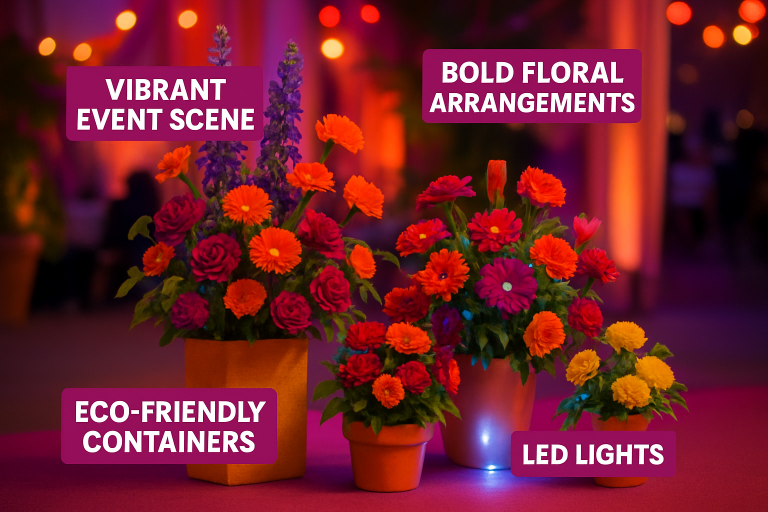
In 2025, soft pastels and neutral tones give way to a spectrum of impactful, statement colors. Florists are harnessing vibrant hues such as deep fuchsia, electric blue, and sunny orange to infuse every space with energy. According to Florists Review, understanding color theory allows designers to craft arrangements that evoke emotion and complement an event’s overall aesthetic. These palettes allow designers to tell a color story tailored to any event’s mood or theme, from energizing galas to sophisticated receptions.

These high-voltage colors don’t just grab attention; they set the tone for the entire event, creating memorable backdrops that transform simple arrangements into centerpiece art. Color blocking, gradient effects, and ombré styling add even more dynamic visual impact for event designers seeking to make a statement.

Sustainable Practices in Floral Design

Environmental stewardship is influencing every aspect of floral design in 2025. Leading florists are saying goodbye to floral foam and instead using materials like chicken wire and reusable containers to minimize single-use waste. There’s greater emphasis on local sourcing, which supports nearby farmers and reduces the carbon footprint often associated with shipping exotic blooms.

Vessels and materials often have a second life: think vintage glassware or upcycled wood structures that bring distinct character to floral installations and bouquets. For clients and planners, these choices are both eco-friendly and visually unique.

Integration of Technology in Floral Arrangements

Interactive, tech-driven designs are a hallmark of this year’s most innovative floral arrangements. Features like LED lights, color-changing elements, and app-controlled displays are pushing floral design into an immersive, contemporary experience. Event attendees are enchanted by luminous bouquets, glowing installations, and digital storytelling woven into the flowers themselves.

This trend isn’t limited to lighting effects—QR codes or NFC tags can transform bouquets into multimedia art that shares event information, music, or curated messages with guests. The marriage of nature and technology fascinates audiences and provides endless possibilities for personalization and engagement.

Minimalist and Sculptural Floral Designs

Minimalism continues to gain traction, with a move toward sculptural, seemingly effortless designs. Florists are turning to in-season blooms like garden roses, lisianthus, and cosmos, styled with airy, artful imperfection. These arrangements often draw on the principles of Japanese Ikebana, emphasizing negative space and a sense of simplicity.

The sculptural aspect comes through unique vessels, dramatic branches, or a single oversized bloom, all of which create visual interest without overwhelming the senses. This pared-back approach invites guests to appreciate every detail while setting a refined, tranquil mood for events of all sizes.

Textured and Organic Arrangements

Texture and contrast define 2025’s bouquets and centerpieces. Designers are blending soft, lush blooms with striking foliage—like banksia, pepper berry, and protea—to create organic, tactile compositions. Layering diverse materials and shapes, these arrangements mimic the wild, natural growth of meadows and forests, adding dimension and intrigue to every table and entrance.

The trend toward textural complexity complements the desire for authenticity in event experiences. It translates into arrangements that encourage guests to interact, explore, and admire nature’s variety up close.

Statement Floral Installations

Large-scale installations continue to shine as showstoppers at high-profile gatherings. Dramatic floral chandeliers, suspended bouquets, and towering ceremony arches serve as stunning focal points for ballrooms, outdoor pavilions, and photo backdrops. These ambitious projects encourage full creative freedom, mixing color, height, and nonlinear forms for maximum impact.

Such installations not only anchor the design vision but also elevate the entire event experience, captivating guests and offering countless Instagram-worthy moments.

Incorporation of Seasonal Elements

Seasonality is celebrated through the integration of natural, in-season materials like dried pampas grass, bold branches, and grasses, which evoke a sense of the outdoors inside event venues. Designers are weaving in playful notes with seasonal fruits—peaches for summer, pears and pomegranates for autumn, and citrus for spring—adding color, aroma, and a multisensory layer to floral arrangements.

This focus on the ephemeral beauty of each season brings authenticity to events and highlights the craftsmanship behind locally sourced design.

Conclusion

The event floral landscape in 2025 is rich with bold colors, eco-conscious choices, and innovative technological touches. By drawing on these trends, planners and hosts can create celebrations that engage, surprise, and delight every guest while expressing a strong design identity and respect for our planet.

Continue Reading
Click to comment

Leave a Reply

Your email address will not be published. Required fields are marked *

Life Style

Building Resilience: Strategies for Overcoming Life’s Challenges

Published

on

By

Building Resilience

Key Takeaways

  • The ability to adapt and persist is critical for well-being and personal fulfillment.
  • Resilience can be strengthened through supportive relationships, healthy routines, and positive thinking.
  • Professional resources and guidance can be helpful when challenges become more difficult to manage on your own.

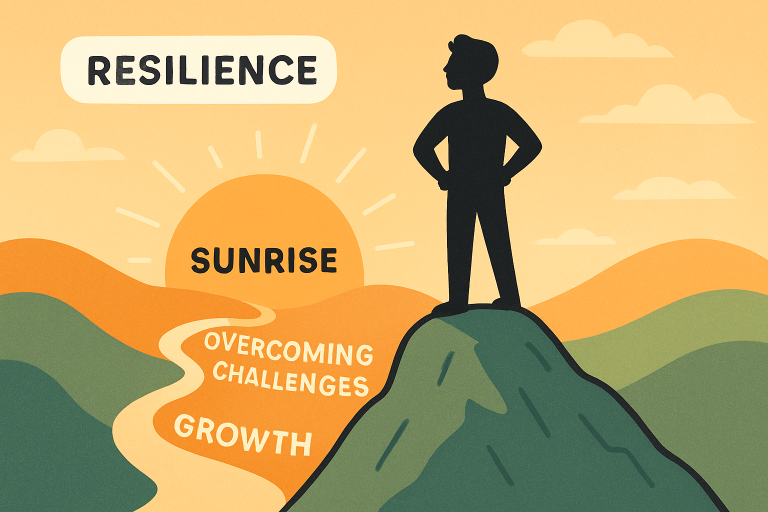
Every individual faces moments when life feels overwhelming, unpredictable, or unfair. Building resilience is fundamental to overcoming these obstacles and reclaiming a sense of balance and hope. Developing resilience means not only surviving tough situations but also emerging from them stronger and wiser. By adopting practical strategies, people can foster inner strength, adapt to change, and support their long-term well-being. Whether recovering from personal loss, coping with day-to-day stress, or handling professional setbacks, empowering yourself through proven techniques is key to personal growth. For some individuals, incorporating support services, such as the last link in speech therapy, can enhance communication skills, boost confidence, and complement resilience-building efforts.

The journey toward stronger resilience is ongoing. It includes recognizing your stress triggers, nurturing positive habits, and reaching out for support when necessary. Instead of shying away from challenges, resilient people acknowledge difficulties and use them as stepping stones for transformation. Social support, adaptability, and a healthy perspective make all the difference as you navigate setbacks and uncertainties.

As you explore resilience-building strategies, remember that this process can benefit everyone, regardless of age or background. Even small actions, like maintaining regular exercise or making time for mindfulness, can strengthen resilience over time. Those who build these skills effectively find themselves better equipped to weather life’s inevitable storms.

Understanding Resilience

Resilience is best defined as the capacity to recover from setbacks, adapt well to change, and keep moving forward despite hardships. Psychologists describe resilience as a set of behaviors, thoughts, and actions that can be learned and developed in anyone. It goes beyond simply “getting by” in hard times. Resilience is about thriving amidst disruption and growing into a more determined, optimistic individual. According to research published by the American Psychological Association, resilient individuals are more likely to maintain positive mental health and find meaning even in the face of adversity.

Fostering Social Connections

Meaningful social connections are one of the most important supports for resilience. Having someone to turn to in times of need reduces stress and reminds us that we are not alone. Regular social interactions, whether with close friends, family, or peer support groups, can decrease feelings of isolation and increase your sense of belonging. Through open communication and shared experiences, social networks provide advice and encouragement that make tough periods easier to manage.

Practicing Self-Care

Physical well-being and emotional health are interconnected. Establishing self-care routines can significantly bolster your resilience by reducing the effects of stress, promoting healing, and improving energy. Self-care includes habits such as getting adequate sleep, maintaining a healthy diet, staying physically active, and engaging in relaxing activities like meditation or creative pursuits. These activities help keep the body and mind strong, making it easier to cope with pressure and uncertainty. The Mayo Clinic states that mindfulness practices, when incorporated into daily routines, can lead to improved resilience and better overall quality of life.

Embracing Adaptability

Flexibility in thought and behavior enables individuals to cope with change and handle new challenges capably. Adaptability involves honestly evaluating a situation, letting go of rigid expectations, and being open to trying new solutions. Instead of resisting change, adaptable people accept it as a normal part of life and look for ways to use it as a springboard for growth. By practicing adaptability, you can turn obstacles into opportunities, making the most of what is within your control even when outcomes are unpredictable. As highlighted in a recent Psychology Today article on resilience and adaptability, this mindset shift is key to building long-term resilience.

Cultivating Positive Thinking

Cultivating a positive mindset does not mean ignoring problems. Instead, it means focusing on your strengths, searching for solutions, and maintaining hope. Resilient people often reframe setbacks as learning experiences or temporary roadblocks. Practicing gratitude, recognizing your achievements, and setting achievable goals can all contribute to an optimistic outlook. Research from Harvard Health suggests that a positive attitude can help reduce stress and foster improved problem-solving skills, both of which are crucial when facing adversity.

Seeking Professional Support

There may be times when resilience is tested to its limits, and self-help strategies are not enough. If you are overwhelmed or unable to recover from a setback, consider seeking assistance from a mental health professional. Therapists and counselors are trained to provide practical support, guidance, and therapeutic tools tailored to your situation. Whether through cognitive behavioral therapy, stress management training, or talk therapy, professional support can empower you to overcome significant obstacles and regain confidence in your ability to persevere.

Final Thuoghts

Building resilience is an ongoing commitment to personal growth and well-being. With practice, anyone can strengthen their resilience by fostering supportive relationships, maintaining healthy routines, adapting to change, and nurturing a positive perspective. When additional help is needed, reaching out for professional support can make all the difference. Developing resilience transforms how you deal with life’s inevitable challenges, leading to a healthier, more fulfilling future.

Continue Reading

Life Style

How to Care for Your Backyard Pool Year-Round

Published

on

By

How to Care for Your Backyard Pool Year-Round

Key Takeaways

  • Regular maintenance is crucial for maintaining the longevity and safety of your pool.
  • Seasonal adjustments help address weather-related challenges.
  • Maintaining a proper chemical balance prevents algae growth and minimizes equipment damage.
  • Investing in high-quality covers and heating solutions can extend the pool’s usage.

Maintaining a backyard pool goes far beyond simply keeping the water clean—it involves year-round care to ensure safety, efficiency, and longevity. Pools are exposed to seasonal changes, debris, and regular use, all of which can affect water quality, equipment performance, and structural integrity. Establishing a consistent routine of cleaning, chemical balancing, and equipment checks helps prevent common issues such as algae growth, cloudy water, or pump malfunctions. Regular attention not only keeps the pool inviting but also reduces the risk of costly repairs over time.

Even with diligent maintenance, pools may occasionally require professional attention. Timely inspections and minor repairs can prevent small problems from escalating into significant damage. For instance, homeowners may need assistance with leaks, malfunctioning pumps, or structural concerns—areas where services like swimming pool repairs St Louis County MO, can provide guidance and solutions. By combining routine care with occasional professional support, you can enjoy a safe and well-functioning pool throughout the year.

Regular Cleaning Routines

Consistent and frequent cleaning is the first line of defense against pool problems. Make it a habit to skim your pool daily, removing leaves, bugs, and floating debris before they have a chance to sink to the bottom. Once a week, brush the pool’s walls and floor to prevent algae buildup and dislodge any stubborn dirt particles. Regular vacuuming complements this routine, picking up any debris missed by skimming and keeping your pool’s surfaces in optimal condition. Staying on top of cleaning not only keeps your water pristine but also relieves stress on your filtration equipment, thereby enhancing overall water quality.

Maintaining Water Chemistry

Water chemistry management is crucial for swimmer safety and the durability of pool equipment. Testing pool water at least once a week allows you to correct imbalances quickly. The key elements to monitor include:

  • pH: 7.2 – 7.8
  • Chlorine: 1.0 – 3.0 ppm
  • Alkalinity: 80 – 120 ppm
  • Calcium Hardness: 200 – 400 ppm
  • Cyanuric Acid: 30 – 50 ppm (for outdoor pools)

Imbalances can encourage algae growth, irritate the skin and eyes, or corrode pool surfaces and equipment. Use a quality testing kit and keep necessary chemicals on hand. Regular water testing ensures your pool is always safe and inviting, and may also help you avoid sudden spikes in contaminant levels during periods of high usage.

Seasonal Maintenance Tips

Every season poses different challenges for pool owners. In spring, start by removing and cleaning your cover, skimming out winter debris, and restoring chemical balance. As summer approaches, you may need to run your filtration system longer and test water chemistry more frequently to cope with increased swimmer load. When autumn arrives, falling leaves should be removed daily to minimize staining and clogging. Preparing for winter is vital in colder regions—lower the water level, add winterizing chemicals, and cover the pool tightly to prevent freezing and debris accumulation.

Investing in Quality Pool Covers

A robust, well-fitted pool cover delivers protection and convenience throughout the year. It limits debris from entering the water, reduces water loss from evaporation, retains heat, and helps safeguard against accidental falls when the pool is not in use. In the off-season, covers are invaluable for keeping your pool cleaner and safer while also shrinking heating costs. During periods of heavy leaf fall or pollen, a cover significantly reduces cleaning time and helps preserve a healthy balance of chemicals.

Optimizing Circulation and Filtration

Balanced circulation is essential for preventing bacterial growth and maintaining an even distribution of chemicals. Run your pool pump for 8–12 hours daily during peak months, and clean the skimmer and pump baskets at least once a week. Backwash or rinse filters according to your manufacturer’s guidance, whether you have a sand, cartridge, or diatomaceous earth filter. Double-check that return jets are angled to encourage water flow toward the skimmers, enhancing the cleaning of floating particles and preventing stagnation.

Incorporating Shade and Protection Features

Direct sunlight not only heats your pool and accelerates evaporation, but can also degrade pool liners, deck surfaces, and toys. Installing shade structures—such as pergolas, canopies, or large umbrellas—protects your pool area from overexposure and prolongs the life of pool materials. Trees and landscaping provide natural cover, while screen enclosures help block debris and deter insects, especially in warmer climates where year-round use is possible.

Ensuring Safety and Security

Secure fencing, self-latching gates, and clear signage are legal requirements in many regions and critical for preventing accidents. Inspect these safety features regularly, especially during each season, to ensure proper operation. Consider installing alarms or motion-sensor lighting for additional peace of mind, especially if small children or pets use your outdoor space. Practicing safety ensures your backyard pool remains a fun and welcoming haven for everyone.

Conclusion

Caring for your backyard pool year-round goes beyond aesthetics—it’s about safety, investment protection, and creating a reliable place for family enjoyment. With consistent attention to cleaning, regular chemical balancing, strategic upgrades for protection, and proper seasonal routines, you can count on stress-free pool ownership all year long.

Continue Reading

Life Style

Crocodiles: Nature’s Ancient Predators

Published

on

By

Crocodiles: Nature's Ancient Predators

Crocodiles are some of the most fascinating and ancient creatures on Earth. With a lineage that dates back over 200 million years, these reptiles have remained largely unchanged throughout the ages, making them living fossils. As apex predators, crocodiles play a crucial role in maintaining the health of their ecosystems. From their unique anatomy to their hunting strategies, crocodiles are a marvel of evolutionary design. This article delves into the world of crocodiles, examining their biology, behavior, habitat, and the vital role they play in the natural world.

Anatomy and Physical Features

Crocodiles belong to the family Crocodylidae, which includes around 15 species spread across the globe. These reptiles are characterized by their robust, streamlined bodies, which are perfectly adapted for a life both in water and on land. Their long, muscular bodies are covered in tough, scaly skin that provides protection against predators and the harsh environment.

One of the most distinguishing features of crocodiles is their powerful jaws. They have some of the strongest bites in the animal kingdom, capable of exerting thousands of pounds of pressure. This bite is essential for catching and killing prey, as well as for breaking through the tough hides of other animals, such as turtles and large fish. Their sharp teeth are designed for gripping and holding onto their prey, and they use a technique called the “death roll” to subdue large animals. By spinning rapidly in the water, crocodiles can tear apart even the most formidable of prey.

Crocodiles’ eyes, ears, and nostrils are located on top of their heads, allowing them to remain mostly submerged in water while still being able to detect potential threats or prey. Their eyes feature a specialized membrane that allows them to see clearly underwater. Additionally, crocodiles have an extraordinary sense of hearing, which is vital for locating prey in murky waters.

Another unique adaptation of crocodiles is their ability to regulate their body temperature. Like most reptiles, crocodiles are ectothermic, meaning they rely on external sources of heat to maintain their body temperature. To do this, they bask in the sun to warm up and retreat to the water to cool off. This thermoregulation is essential for maintaining their energy levels and survival.

Habitat and Distribution

Crocodiles are found in a wide range of habitats, including rivers, lakes, wetlands, and coastal areas. They are most commonly associated with tropical and subtropical regions, but some species can be found in more temperate climates. For example, the American crocodile (Crocodylus acutus) can be found in parts of Florida and the Caribbean, while the Saltwater crocodile (Crocodylus porosus), the largest living species of crocodile, can be found in Southeast Asia, northern Australia, and the islands of the Indian Ocean.

Crocodiles prefer warm, shallow waters, as these environments provide them with easy access to prey and suitable basking spots. They are often found in mangrove swamps, estuaries, and river deltas. Some species, such as the Nile crocodile (Crocodylus niloticus), are known to travel great distances along rivers, sometimes even venturing into the sea.

Despite their adaptability, crocodiles are threatened by habitat loss due to human activities such as damming, pollution, and urban development. As their habitats are destroyed, crocodile populations are increasingly forced to compete with humans for space and resources.

Behavior and Hunting Techniques

Crocodiles are solitary creatures, typically spending most of their time alone. They are territorial animals, and males, in particular, are highly protective of their domains. During the breeding season, males will engage in vocalizations and displays of aggression to ward off rivals and attract mates. These displays include bellowing calls, head-slapping, and tail-lashing, which can be heard over great distances.

When it comes to hunting, crocodiles are skilled ambush predators. They are incredibly patient, often lying still in the water for hours, waiting for unsuspecting prey to come close enough. Crocodiles have an extraordinary ability to remain motionless while submerged, with only their eyes, nostrils, and a small portion of their head visible above the surface.

Once a crocodile spots potential prey, it strikes with incredible speed and precision. Their powerful jaws snap shut in a fraction of a second, delivering a crushing bite that often incapacitates the prey. Depending on the size and type of prey, crocodiles may drag their catch into the water to drown it or perform the “death roll” to disorient and tear apart the animal. This strategy is effective against large mammals, birds, and even other reptiles.

Crocodiles are opportunistic feeders and will eat almost anything they can catch, from fish and birds to large mammals such as wildebeest, zebras, and buffalo. They are also known to scavenge from carcasses, making them important contributors to the ecosystem by helping to keep it clean.

Reproduction and Life Cycle

Crocodiles are oviparous, meaning they lay eggs. The female crocodile builds a nest, typically near the water’s edge, where she lays a clutch of eggs. Depending on the species, a female may lay anywhere from 10 to 60 eggs. The eggs are incubated by the heat of the sun or, in some species, by the warmth of decaying vegetation. Interestingly, the sex of the offspring is determined by the temperature at which the eggs are incubated. Warmer temperatures tend to produce males, while cooler temperatures result in females.

After about two to three months of incubation, the eggs hatch, and the baby crocodiles emerge. The mother often stays nearby, guarding the nest and helping the hatchlings reach the water. Crocodile hatchlings are incredibly vulnerable to predators, including birds, fish, and other crocodiles. Only a small percentage of hatchlings survive to adulthood.

Crocodiles have relatively long lifespans, with some species living up to 70 to 80 years in the wild. Their growth rate is slow, and they only reach sexual maturity after 10 to 15 years. However, once they reach adulthood, crocodiles have few natural predators, and they continue to grow throughout their lives.

Conservation and Human Interaction

While crocodiles are not currently considered endangered, many species face threats due to habitat destruction, hunting, and human-wildlife conflict. The Saltwater crocodile and Nile crocodile populations are relatively stable, but other species, such as the Philippine crocodile (Crocodylus mindorensis), are critically endangered due to hunting and habitat loss.

Crocodiles have long been feared and misunderstood by humans. In some cultures, they are seen as dangerous, and their populations have been targeted for their hides, which are highly valued in the leather industry. However, conservation efforts are being made to protect crocodile populations, and some species have seen a resurgence in recent years. Crocodile farming, where crocodiles are raised in captivity for their skins and meat, has also become a sustainable practice in some regions, helping to reduce illegal hunting and protect wild populations.

Crocodiles also play a vital role in ecosystems by helping control populations of fish, birds, and mammals. Their presence in an ecosystem is an indicator of a healthy environment, as they are at the top of the food chain and help regulate the populations of other animals. Without crocodiles, the balance of many aquatic ecosystems would be disrupted.

Conclusion

Crocodiles are among the most fascinating creatures on Earth. With their powerful jaws, remarkable hunting strategies, and ancient lineage, they have earned their reputation as one of the planet’s top predators. Despite facing threats from human activities, crocodiles continue to thrive in many parts of the world, playing a crucial role in maintaining the health of their ecosystems. By understanding these incredible creatures and working to protect them, we can ensure that crocodiles will continue to be a part of our planet’s wildlife for generations to come.

Continue Reading

Trending

Copyright © 2017 Zox News Theme. Theme by MVP Themes, powered by WordPress.