
Connect with us

News

Bitumen Road: Understanding Bitumen Types for Road Construction

Published

on

Bitumen Road: Understanding Bitumen Types for Road Construction

Bitumen, as you must know, is a binding substance for layering asphalt aggregates. But do you know it is not a specific construction material? Rather, there are many types of bitumen based on its manufacturing processes, properties, and applications. 

If you are looking for more information on the bitumen road, you should first understand the different types of bitumen. Because it is highly likely to overlook choosing the right grade and rely on your contractor. And to prevent future road issues, understanding everything about bitumen types is the key. 

In this blog, you will walk through the different types of bitumen, including penetration grade, viscosity, modified, cutback, emulsified, hard bitumen, and bitumen for colder regions. You will also learn their properties, benefits, and their applications. So, keep reading it till the end to make one right choice.   

1. Penetration Grade Bitumen

Penetration grade bitumen is one of the most common types of bitumen for road construction. You must gather information about its grade with a penetration grade test. It involves using a needle into a bitumen at a specific temperature for a fixed time to see how deep it can reach. The depth of penetration indicates softness and hardness. 

Interestingly, the test determines the grade like 60/70, 80/100, or 120/150. First numbers represent penetration value at 25 degrees celsius. Second numbers indicate bitumen grade. 

The higher penetration value means softness of the bitumen. This type is most often used for low-traffic road construction in colder regions. In contrast, bitumen road grades like 60/70 is a good number for hot climates with heavy traffic volume. 

2. Viscosity Grade Bitumen

If you need a bitumen road which does not change its shape upon layering on the surface, then you must consider viscosity grade bitumen. This is important for moderate to hot climates where you must apply a hot and stable binder. 

Viscosity means stability. And you must determine its grade amongst the available VG-10, VG-20, VG-30, and VG-40. The higher values represent better strength and resistance to deformation. 

When it comes to using it, you must choose a specific grade as per the road traffic, environmental conditions, and desired road performance. Generally, this type of bitumen road material is famous for highways, industrial roads, construction sites, commercial driveways, etc. 

3. Modified Bitumen

Modified bitumen is one of the best alternatives to penetration grade bitumen. Primarily because this contains additives like styrene-butadiene-styrene (SBS) or styrene-butadiene-rubber (SBR), or polyethylene.

This changes the standard properties of a bitumen, making it more flexible, durable, and suitable for high-stress environments. The fact that penetration grade becomes brittle after a certain point, using modified bitumen makes all the more sense. 

If you are looking for the best version of bitumen for industrial roads, highways, expressways, or airport runways, then this type has superior strength. Besides using it for bitumen road construction, you can use them for sealing chips, dressing surfaces, and in combination with hot mix asphalt. It does not crack, age, or cause rutting under high temperatures. 

4. Cutback Bitumen

Adding solvents like kerosene or naphtha to a bitumen makes it more flexible to resist environmental changes. This is useful for roads in colder regions which experience freezing temperatures to moderately warm climates. 

Cutback bitumen is available in different grades, such as rapid curing (RC), medium curing (MC), and slow curing (SC). The grade of the cutback bitumen depends on the evaporation rate of the solvent and its curing time.

Applying this type of a bitumen road is usually safe for prime coat applications to bond the base layer to the surface layer. Also, you can mix it with cold asphalt mixes for low-volume roads, rural roads, and patch repairs.

5. Emulsified Bitumen

Emulsified bitumen is another common substance for road construction. Generally, oil in bitumen and water do not blend together and separate from one another. With the help of an emulsifier, bitumen and water mix well and reduce the environmental impact. 

If you need to construct roads evenly at ambient temperatures without compromising the eco-friendliness, emulsified bitumen is a good choice. 

Surface dressing, slurry seals, and cold-mix paving are some of its common applications. Moreover, an emulsified bitumen road is beneficial for layering surfaces requiring the best road repairs and resealing works.

6. Hard Bitumen

If you are constructing a road for commercial driveways, industries, or highways under hot climate, then hard bitumen is a strong candidate. Since it has thickness to handle extreme hot temperatures, it is a healthy medium for roads in desert-like conditions. 

The best way to use this type of bitumen for road paving in extreme warm weather is to mix it well to even spread the substance. 

7. Bitumen for Cold Regions

In cold climates, roads become weak and prone to excessive cracks. For these circumstances, using special additions in a bitumen is a good practice. 

This is typically known as bitumen for cold regions. When you are constructing a bitumen road with this substance, you will never have to worry about durability in low temperatures. Areas that experience extreme cold and heavy snowfall are more likely to benefit from this type of bitumen layering. 

Final Words

We hope you found this blog useful. As you see, every type of bitumen carries a special purpose for the type of environment, traffic loads, and desired road strength. 

Paving roads with asphalt materials demands much-needed strength, durability, and support to resist climate changes and frequent vehicle movements. Whether you choose penetration grade bitumen or advanced polymer-modified bitumen for high-performance roads, the goal should be to find the right contractor. 

Trust Roadseal Contractors for their best experience & reputation in paving a bitumen road. You must also choose them for their efficient asphalt, concrete, and other road construction practices.

Continue Reading
Click to comment

Leave a Reply

Your email address will not be published. Required fields are marked *

News

Underwater Drilling in Houston: Reliable Solutions for Complex Subsea Challenges

Published

on

By

Key Takeaways

  • Houston’s underwater drilling industry must overcome unique challenges, including high pressures, extreme temperatures, and intricate geological conditions found in subsea environments.
  • Pier-A-Mid delivers customized solutions with specialized technology and equipment backed by rigorous safety and environmental standards.
  • Advanced subsea drilling technologies and continual innovation keep Houston at the forefront of global underwater energy development.

Underwater drilling is at the heart of offshore energy in the Gulf of Mexico, with Houston recognized as a global center for innovation in this demanding field. Navigating formidable challenges below the seabed, companies require not only expert knowledge but also advanced equipment and proven processes to succeed safely and efficiently. For those seeking leading expertise in the region, underwater drilling houston is synonymous with Pier-A-Mid, a prominent industry leader. Pier-A-Mid specializes in complex underwater drilling projects throughout Houston and the Gulf Coast, offering decades of experience, state-of-the-art technology, and a reputation for reliability in tackling the most complicated subsea environments.

Every underwater drilling operation is shaped by a mix of technological, geological, and environmental considerations. The Gulf’s deepwater environments bring with them not only economic opportunity but also the need for heightened vigilance around worker safety and marine ecosystem preservation. Pier-A-Mid stands out as a local authority by developing engineered solutions that meet these challenges head-on, ensuring seamless integration of equipment, regulatory compliance, and bespoke project planning. The company’s unmatched knowledge and industry partnerships make it the go-to provider across the Houston metropolitan region and throughout coastal Texas.

From the earliest stages of project assessment to the final execution of drilling, addressing the complexity of the Gulf’s seabed is critically important. Success relies not only on choosing the right technology but also on adopting robust operational protocols, up-to-date training for personnel, and adapting strategies for each unique geological setting. By merging advanced equipment with vigilant monitoring and digital innovation, Houston continues to push subsea drilling boundaries while upholding strict safety and environmental standards.

In addition to expert human resources, technological advances such as pressure-managed drilling and real-time monitoring herald safer and more efficient operations. As environmental scrutiny grows, companies like Pier-A-Mid also act as stewards for subsea habitats, deploying solutions to minimize disturbance and ensure compliance with evolving regulations.
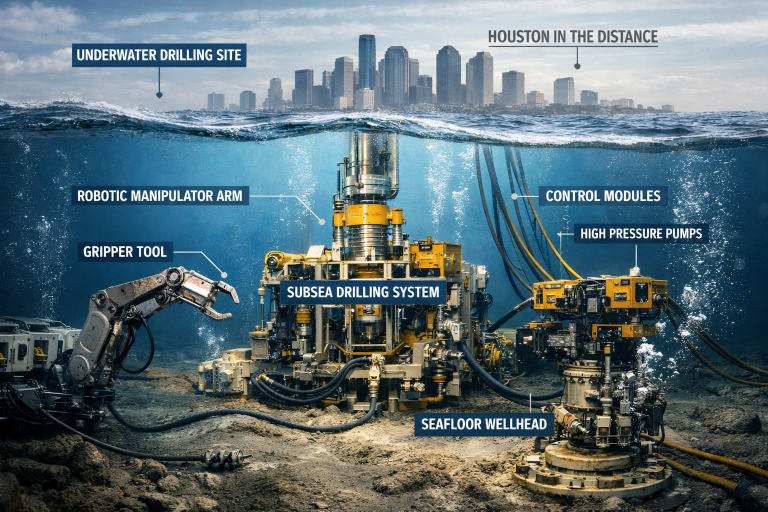
What Are the Primary Challenges in Underwater Drilling?

Drilling deep below the ocean floor presents a host of technical and operational hurdles. Companies working in the Gulf of Mexico routinely confront:

  • High Pressures and Temperatures: As drill sites move further offshore and deeper underwater, equipment must withstand immense pressure and the threat of high thermal gradients. Only robust, high-strength materials can ensure reliability and avoid downtime.
  • Complex Geological Formations: The Gulf seabed comprises varied, often unpredictable rock and sediment layers. Overcoming geological surprises requires expertly tailored drilling plans and adaptable tools capable of real-time adjustment.
  • Environmental Risks: Sensitive marine ecosystems and rising regulatory demands compel operators to limit physical and chemical impacts, prioritize spill prevention, and rapidly respond to any sign of environmental disruption.

How Does Pier-A-Mid Address These Challenges?

Pier-A-Mid draws on deep in-house engineering proficiency and partnerships with leading technology providers to mitigate drilling risks and support operational excellence:

  • Specialized Equipment: All subsea equipment is crafted from corrosion-resistant alloys with rigorous testing to perform in extreme conditions and minimize maintenance burdens.
  • Advanced Drilling Technologies: Innovations like managed pressure drilling and rotary steerable systems provide operators with real-time control, enabling safe navigation through complex geological strata.
  • Comprehensive Safety Protocols: The company enforces industry-leading safety standards, conducts frequent risk assessments, and ensures field crews are equipped to act swiftly in unexpected scenarios.

What Technologies Enhance Underwater Drilling Efficiency?

Cutting-edge technical solutions play a vital role in improving accuracy, speed, and reliability on the seafloor. Among the most important advancements:

  • Managed Pressure Drilling (MPD): This method provides vital control over wellbore pressure, reducing the likelihood of blowouts and fluid loss, key for drilling narrow margin wells.
  • Rotary Steerable Systems (RSS): These tools enable directional drilling with high precision, which is crucial for accessing hard-to-reach reserves and optimizing well placement.
  • Dual-Gradient Drilling (DGD): By allowing separate management of drilling fluid pressures above and below the sea floor, DGD offers unique benefits in efficiency and safety, particularly where traditional single-gradient systems may face limitations. The latest research and industrial applications are detailed by ScienceDirect.

Why Is Houston a Hub for Underwater Drilling Expertise?

Houston’s global reputation for subsea drilling is underpinned by its proximity to the Gulf of Mexico’s vast offshore resources, clustering of international oil and gas leaders, and pioneering research programs. This synergy drives continuous advances in offshore safety and performance standards.

  • Proximity to the Gulf of Mexico: Operations can conveniently access deepwater resource areas, driving local expertise and rapid deployment capability.
  • Concentration of Industry Leaders: The city hosts a dense network of subsea engineering firms, suppliers, and drilling innovators, a dynamic ecosystem that fuels technology exchange.
  • Research and Development: Premier institutions such as the Subsea Systems Institute at the University of Houston ensure knowledge transfer and a talent pipeline for the energy sector.

How Does Pier-A-Mid Ensure Environmental Compliance?

Environmental safeguards are a central feature of all Pier-A-Mid operations. The company focuses on:

  • Eco-Friendly Technologies: Adopting best-available systems and operational practices known to reduce waste, emissions, and disturbance to the ocean floor.
  • Regulatory Adherence: Stringent compliance processes align with federal, state, and global standards to safeguard the Gulf’s marine habitats.
  • Continuous Monitoring: State-of-the-art sensors and automated alerts support early detection and rapid response in the event of abnormal conditions or environmental threats.

What Are the Future Trends in Underwater Drilling?

The subsea drilling sector is rapidly evolving. The push for sustainability, efficiency, and safety is driving several forward-looking trends:

  • Automation and Robotics: Remote and autonomous underwater vehicles are increasingly used for equipment inspections, leak detection, and mission-critical repairs, minimizing human exposure and expediting maintenance.
  • Enhanced Data Analytics: Advanced data platforms analyze real-time drilling metrics to optimize performance, predict maintenance needs, and maximize uptime.
  • Sustainable Practices: Progressive companies are championing methods and equipment with lower carbon footprints, while also investing in technologies that support responsible energy production and ecosystem resilience.

Frequently Asked Questions

What safety measures are in place during underwater drilling?

A comprehensive approach to safety includes intensive staff training, industry best-practice protocols, real-time surveillance systems, and robust emergency preparedness procedures, all designed to protect people and the environment at every drilling stage.

How does Pier-A-Mid customize solutions for different drilling projects?

Each drilling project receives a tailored assessment based on factors such as water depth, subsurface geology, operational objectives, and ecological considerations, resulting in precision-engineered equipment and best-fit procedural strategies.

What role does technology play in modern underwater drilling?

Technology is essential for increasing accuracy, efficiency, and project safety. The integration of real-time data collection, advanced automation tools, and remotely operated systems enables operators to navigate complex conditions with greater confidence.

How does Pier-A-Mid contribute to environmental conservation?

The company incorporates eco-friendly operational practices, ongoing environmental compliance monitoring, and deployment of the latest containment and mitigation technologies to responsibly manage marine impact at every project site.

What training do personnel undergo for underwater drilling operations?

Drilling teams are provided with thorough instruction on modern equipment, safe operational procedures, emergency intervention, and environmentally responsible practices, guaranteeing preparedness and operational excellence.

In summary, the unique demands of underwater drilling in Houston require a blend of deep expertise, technological leadership, and environmental vigilance. Organizations such as Pier-A-Mid not only power the region’s offshore energy future but do so with a strong commitment to safe, sustainable, and high-performing subsea operations.

Continue Reading

News

Understanding the Connection: The Dopamine Loop and Your Anxious Brain

Published

on

By

Understanding the Connection: The Dopamine Loop and Your Anxious Brain

To understand why a digital detox can alleviate anxiety, we must first understand how our devices exploit our neurobiology. Smartphones and social media platforms are designed to capture and keep your attention by tapping directly into the brain’s reward system. Every notification, like, or piece of alarming news triggers a release of dopamine, a neurotransmitter associated with pleasure and motivation . This creates a powerful feedback loop: you check your phone, you get a small reward, so you check it again.

This cycle becomes particularly problematic with a behavior known as “doomscrolling“—the compulsion to continuously consume negative news and distressing content online . Our brains are hardwired to pay attention to potential threats, a survival mechanism that served us well in the savanna but backfires in the digital age. News outlets and algorithms amplify fear-based content because it keeps us engaged. This constant state of alertness, driven by unpredictable and often negative information, keeps the nervous system on “high alert,” flooding the body with stress hormones like cortisol and contributing directly to feelings of anxiety and unease .

Furthermore, this constant connectivity fragments our attention spans, leading to cognitive overload and mental exhaustion. The brain is forced to rapidly switch between tasks—a text, an email, a headline—without the opportunity to process or rest . By evening, this leaves us feeling drained yet wired, a state that is the antithesis of the calm required for restful sleep. The blue light from screens further compounds this by disrupting melatonin production, the hormone that regulates our sleep-wake cycle, leading to insomnia and heightened next-day anxiety .

The Great Unplug: What a Digital Detox Is (And Isn’t)

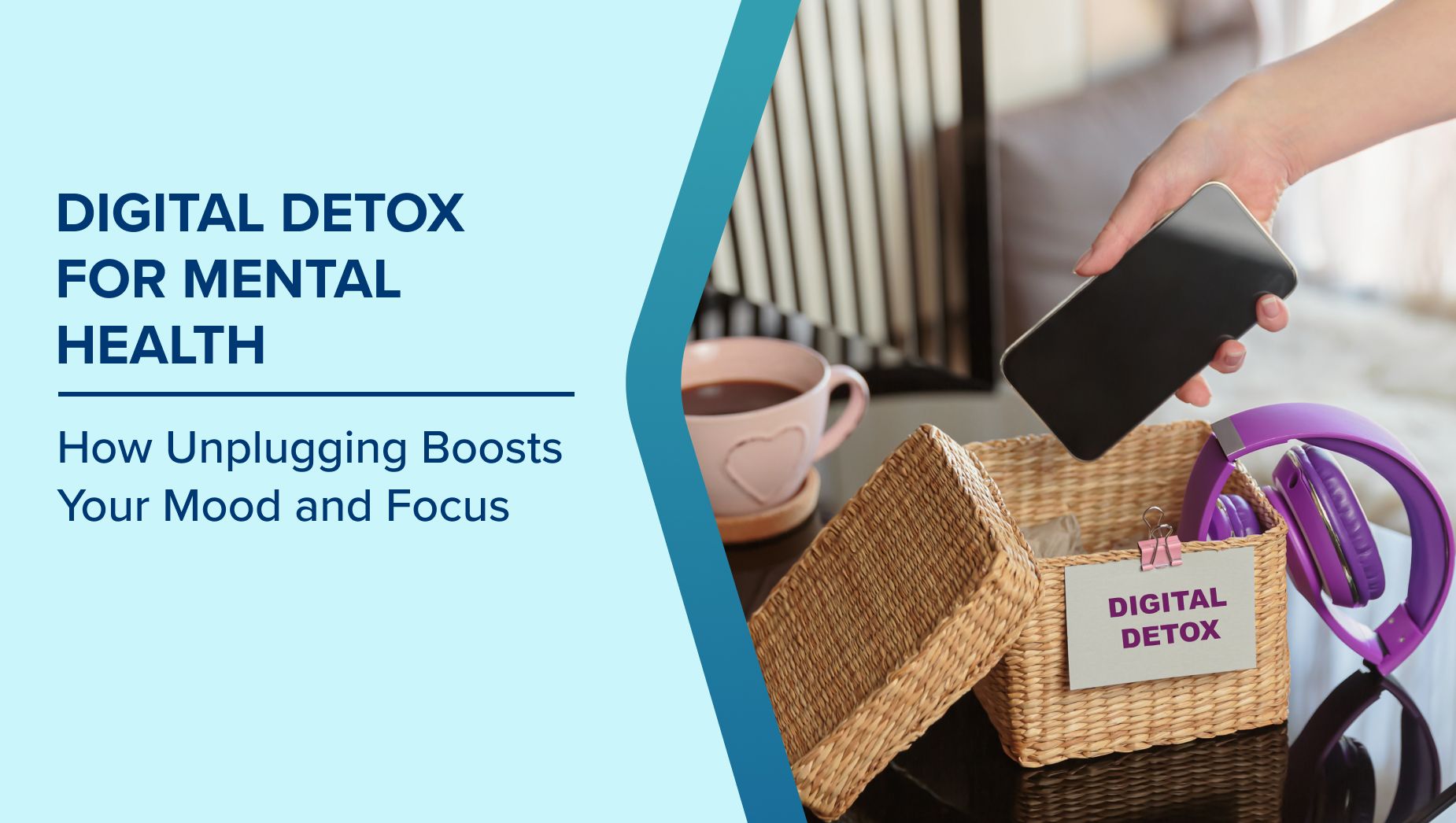
A digital detox is a deliberate and intentional break from electronic devices, particularly smartphones and social media, for a predetermined period . It’s crucial to understand what a successful detox entails. It is not about permanently rejecting technology or going off-grid entirely—a feat that is impractical for most. Rather, it is a strategic pause designed to interrupt the addictive feedback loop, lower your cognitive load, and create the mental space needed to reconnect with the offline world .

Think of it as a “mental palate cleanser.” By stepping away from the constant noise, you allow your nervous system to recalibrate. This break helps diminish the power of the dopamine loop, reduces the anxiety triggered by social comparison and negative news, and helps you rediscover what it feels like to be present in your own life . The goal is not perfection but awareness and intentionality.

How to Prepare: Setting the Stage for Success

A successful digital detox doesn’t happen by accident; it requires thoughtful preparation. A “cold turkey” approach can often lead to feelings of withdrawal, panic, and failure . Instead, follow these steps to set yourself up for a positive and effective experience.

Define Your “Why” and Set Realistic Goals
Before you start, get specific about your motivation. Are you trying to reduce anxiety, sleep better, be more present with your children, or stop comparing yourself to others online? Your “why” will be your anchor when you feel the urge to pick up your phone . Next, set a realistic and time-bound goal. A digital detox challenge can last a weekend, a week, or even just a few hours each evening. For beginners, starting with a single day or a “tech-free Sunday” is often more sustainable than aiming for a month-long break .

Communicate Your Boundaries
One of the biggest fears during a detox is being disconnected in case of an emergency or letting people down. Alleviate this anxiety by informing your close friends, family, and colleagues of your plans. Let them know you’ll be offline and establish a clear, analog method for reaching you in a true emergency (e.g., call your partner’s phone) . Setting this expectation removes the subconscious worry that you are ignoring someone in need.

Choose Your Boundaries and Detox Style
Your detox should be flexible and structured to fit your life. Decide on the rules of engagement. Will you delete social media apps but keep messaging? Will you ban phones from the bedroom but allow a laptop for work? Common and effective boundaries include:

  • Phone-free mornings: Delay your first scroll for at least an hour after waking .
  • Screen-free meals: No devices at the breakfast, lunch, or dinner table .
  • Tech-free zones: Designate the bedroom or dining room as device-free areas .

Practical Steps for a Successful Detox

With your plan in place, it’s time to implement practical strategies that reduce the friction of reaching for your phone and fill the void with healthier alternatives.

1. Tame the Technology Itself

Ironically, you can use technology to help you detox. The goal is to make your phone less appealing and harder to use impulsively.

  • Disable Non-Essential Notifications: The buzzes and pings are designed to pull you back in. Turn off all notifications except for those from actual people you want to hear from (calls, messages from key contacts) .
  • Go Greyscale: Changing your display to greyscale removes the vibrant colors that stimulate your brain’s reward centers, making the phone feel less engaging and more like a tool .
  • Use Built-in Limiters: Tools like Screen Time (iOS) and Digital Wellbeing (Android) are not just for tracking guilt—they can be used to set firm app limits or schedule automatic “Do Not Disturb” modes during your detox hours .
  • Delete and Hide: Remove social media and news apps from your home screen. If you have to search for an app to use it, you are far less likely to do so mindlessly .

2. Replace the Void with Intentional Activities

You cannot simply remove a habit; you must replace it. A detox will leave you with pockets of time previously filled by scrolling, and nature abhors a vacuum. If you don’t fill this time with something else, boredom and anxiety will rush in, pulling you back toward your device . The key is to find “replacement practices” —analog activities that occupy your hands and mind .

  • Creative Pursuits: Journaling, sketching, knitting, playing an instrument, or building something with your hands can induce a state of “flow” that is deeply calming and meditative .
  • Physical Movement: Go for a walk without your phone, practice yoga, or do a home workout. Physical activity is a powerful, natural anxiety-reducer .
  • Reconnect with Old Hobbies: Dust off that novel, cook a complex meal, do a puzzle, or play a board game with family .
  • Embrace Stillness: Practice mindfulness or simply sit with a cup of tea and look out the window. Allowing your mind to wander without digital input is a restorative act .

3. Navigating the Discomfort

It is vital to recognize that the initial stages of a digital detox can feel uncomfortable. You may experience restlessness, boredom, phantom phone vibrations, or even a spike in anxiety This is not a sign of failure; it is a sign of withdrawal. Your brain, accustomed to constant stimulation, is recalibrating .

  • Acknowledge the urge: When you feel the impulse to grab your phone, don’t judge it. Simply notice it. Take a few deep breaths and ask yourself what you are feeling. Are you bored? Anxious? Lonely? This awareness is a powerful tool for change .
  • Ride the wave: The urge to check your phone is often intense but passes within a few minutes. Sit with the discomfort instead of immediately trying to fix it with a screen.
  • Practice self-compassion: If you slip and find yourself doomscrolling for an hour, don’t beat yourself up. Progress, not perfection, is the goal. Gently guide yourself back to your intention .

A Note on Challenges: It’s Not Always Easy

While the benefits are significant, it’s important to approach a digital detox with clear eyes. For some, the experience can be more complex. For individuals who rely heavily on digital platforms for social connection—such as those living far from loved ones, with chronic illness, or in remote communities—disconnecting can initially amplify feelings of isolation . Similarly, people with higher levels of neuroticism, social anxiety, or anxious attachment styles might find the sudden lack of validation and connection deeply unsettling . If this resonates with you, consider a gentler approach. Focus on curating your online experience rather than eliminating it—muting negative accounts, limiting time on comparison-triggering platforms, and ensuring your detox includes meaningful, planned social connection offline to fill the gap .

Long-Term Integration: From Detox to Digital Minimalism

A one-time digital detox is a fantastic start, but lasting anxiety relief comes from integrating the lessons learned into your everyday life. This is the shift from a temporary “detox” to a lifestyle of “digital minimalism,” where you use technology intentionally and on your own terms, not out of habit . After your detox, reflect on what you learned:

  • What did you miss the most? (Probably connection with specific people.)
  • What didn’t you miss at all? (Likely the noise and negativity.)
  • When did you feel the most calm and present?

Use these insights to build your new normal. This might mean permanently keeping social media apps off your phone, continuing to charge your device outside the bedroom, or scheduling regular “tech-free weekends.” The goal is to view digital wellness not as a checklist, but as an ongoing journey of aligning your tech use with your values . By consciously choosing when and how to engage, you ensure that technology serves your well-being, rather than undermining it .

Conclusion

The digital world is not going away, nor should it. Our devices are powerful tools for connection, learning, and efficiency. However, when their use becomes compulsive and begins to fuel our anxiety, it is a clear signal that we need to reclaim control. A digital detox, even a short one, is a profound act of self-care. It is an opportunity to step off the hamster wheel of constant stimulation, listen to your own thoughts, and remember the feeling of being fully present. By understanding the science of why we are hooked, preparing thoughtfully, and replacing screen time with life-affirming activities, we can break the cycle of digital anxiety. The goal isn’t to live without technology, but to build a relationship with it that is mindful, intentional, and conducive to a calm and connected life. Your peace of mind is worth the unplug.

Frequently Asked Questions (FAQs)

1. How long should a digital detox be to help with anxiety?
There is no one-size-fits-all answer. Research shows that even short, intentional breaks can be beneficial. A weekend, a 24-hour period, or even just implementing “phone-free evenings” (e.g., from 8 p.m. to 8 a.m.) can significantly reduce stress and improve sleep. The key is sustainability; a shorter detox you can complete is far more effective than an ambitious month-long plan you abandon after three days .

2. I’m worried I’ll miss something important. How do I handle the FOMO?
Fear Of Missing Out (FOMO) is a major driver of digital anxiety. To combat this, communicate your boundaries in advance. Let close friends and family know you’ll be offline and give them an alternative way to reach you in a true emergency. You’ll likely find that after the initial adjustment, the fear dissipates, and you feel more connected to your immediate surroundings, a feeling sometimes called “Joy of Missing Out” (JOMO) .

3. What if I need my phone for practical things like maps or my alarm clock?
A digital detox doesn’t mean making your life difficult. It’s about reducing non-essential use. You can absolutely keep your phone for practical tools. Use it for maps while driving, then put it in the glovebox. Use it as an alarm clock, but leave it in the kitchen instead of bringing it into the bedroom. The goal is intentional use, not elimination .

4. Is it normal to feel more anxious at the very beginning of a detox?
Yes, absolutely. This is a common and normal part of the process. When you remove a constant source of stimulation, your brain, accustomed to the dopamine hits, goes through a period of withdrawal. You may feel restless, bored, or irritable. This discomfort is temporary and a sign that your brain is beginning to recalibrate. It typically subsides after a few days .

5. What is the difference between a digital detox and digital minimalism?
digital detox is a temporary, intentional break from digital devices for a set period (e.g., a weekend). Digital minimalism is a broader philosophy and long-term lifestyle. It involves critically assessing your technology use and intentionally using only the tools that serve your values, while eliminating the rest. A detox can be a great way to “jumpstart” your journey toward digital minimalism .

Continue Reading

News

How to Avoid Heating Emergencies During the Cold Months

Published

on

How to Avoid Heating Emergencies During the Cold Months

Key Takeaways

  • Consistent heating system maintenance is the foundation of winter safety.
  • Properly using space heaters minimizes the risk of fire or injury.
  • Preparing for power outages and educating household members are vital steps.

Table of Contents

  • Schedule Regular Heating System Maintenance
  • Use Space Heaters Safely
  • Prepare for Power Outages
  • Ensure Proper Ventilation
  • Monitor Indoor Air Quality
  • Educate Household Members
  • Conclusion

As winter settles in and the cold intensifies, a reliable heating system becomes more than a convenience; it’s essential for the safety and comfort of your home. Keeping your system functioning at its best helps you avoid unexpected breakdowns when you need warmth the most. Discovering resources for cash heating oil can also add an extra layer of preparedness, letting you stay ahead of severe weather and fluctuating fuel prices.

Seasonal spikes in energy usage cause additional stress on heating equipment. Heating emergencies aren’t merely inconvenient—they can threaten your health and home, especially during extreme cold snaps. Ensuring your heater is in top shape, supplemented with smart contingency plans, dramatically reduces the risk of an unplanned crisis during winter’s harshest days. Simple changes in how you use heaters, manage air quality, and educate family members make a big difference in your overall safety and comfort.

Whether you rely on a furnace, boiler, or portable space heaters, taking proactive steps can prevent surprises and emergencies. Preparedness encompasses everything from routine inspections to stockpiling essential supplies in advance of storms or power outages.

Following these best practices allows you to navigate even the coldest months with peace of mind, knowing you have minimized the risks and are ready for whatever winter might bring.

Schedule Regular Heating System Maintenance

Routine maintenance is the number one way to prevent a heating emergency. Professional servicing—including cleaning, inspecting, and adjusting your furnace or boiler—should occur at least once a year, preferably in the fall before temperatures plunge. Annual tune-ups ensure that all system components function optimally and provide an opportunity for technicians to identify potential problems early, thereby reducing the risk of mid-winter breakdowns.

Use Space Heaters Safely

Space heaters are handy but require strict safety measures. Always keep portable heaters at least three feet away from anything that can burn, such as bedding, drapes, or upholstered furniture. Set them on a flat, steady surface, never on tables or carpets. Turn off space heaters when leaving the room or going to sleep, and supervise children and pets carefully around any active unit.

Do not plug space heaters into extension cords or power strips, as this can cause them to overheat and potentially lead to fires. Instead, plug them directly into a wall outlet.

Prepare for Power Outages

Severe winter storms can easily disrupt your home’s power supply and thus its heating. Have backup strategies ready, such as battery-powered heating devices and a supply of extra blankets and thermal wear. Identify a small room you can close off and keep warm using body heat and portable heat sources. If you have a generator, always operate it outside your home and at a distance from windows to prevent the risk of carbon monoxide poisoning.

It’s also smart to stock up on non-perishable food, water, and flashlights.

Ensure Proper Ventilation

During winter, sealing your home against drafts helps keep heat in, but don’t forget the need for fresh air circulation. Proper ventilation is crucial in preventing moisture buildup and minimizing the risk of indoor air pollution. On milder days, open windows briefly to allow stale air to escape and reduce condensation on windows, which helps prevent mold and mildew. The EPA provides guidelines on improving indoor air quality through proper ventilation.

Monitor Indoor Air Quality

Modern heating systems can spread dust, allergens, and dry air. Change your HVAC filters regularly—typically every 1 to 3 months—and consider using air purifiers in areas where dust is a problem. Maintaining a relative humidity level between 30% and 50% can help prevent respiratory problems and static electricity. Use a humidifier if needed, but clean it frequently to avoid mold growth.

Educate Household Members

Every household member should know the basics of heating safety—including not overloading outlets, keeping combustibles away from heaters, and never using ovens as a heat source. Clearly communicate emergency procedures, such as how to shut off the furnace or what to do in the event of a gas leak. Establishing safety habits protects everyone and ensures a swift response in the event of problems.

Conclusion

Avoiding heating emergencies in winter requires commitment to proactive maintenance, safe usage practices, and emergency planning. Scheduling regular check-ups, using space heaters responsibly, preparing for outages, and educating your family can help ensure that your home remains both safe and comfortable, regardless of how harsh the weather outside becomes. By taking these measures, you’ll enjoy peace of mind and uninterrupted warmth throughout the entire season.

Continue Reading

Trending

Copyright © 2017 Zox News Theme. Theme by MVP Themes, powered by WordPress.